
Side trip: Sungai Lembing

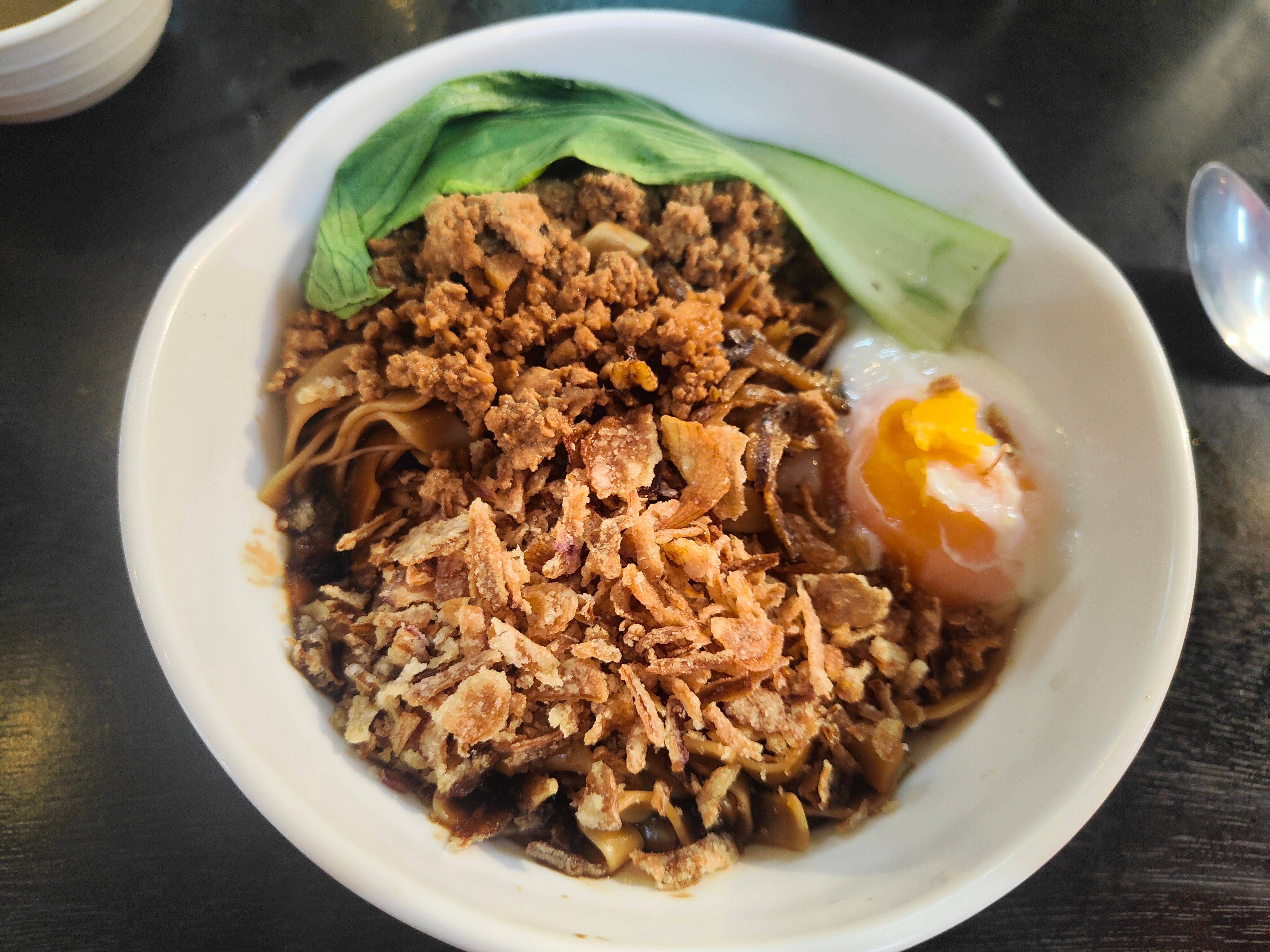
It’s laundry time - that’s not very interesting, even if it takes place in Laundry Bar, but it’s not the sort of thing a place named like that might be in New Zealand. I identify a nearby highly rated café to have dinner while my clothes spin. It’s empty apart from a couple of staff members, which is not auspicious. Most of the things on the menu are not familiar, so I go for the thing closest to what I recognise: pan mee ayam (chicken noodles of some sort). It turns out the chickn is minced and in a small amount of broth at the bottom, then there’s the noodles and on top, something that looks a lot like crumbled weetbox or bran flakes. I think some of it is, but it is mixed in with ikan bilis: dried anchovies. I can’t say its my favourite of the things I’ve eaten.
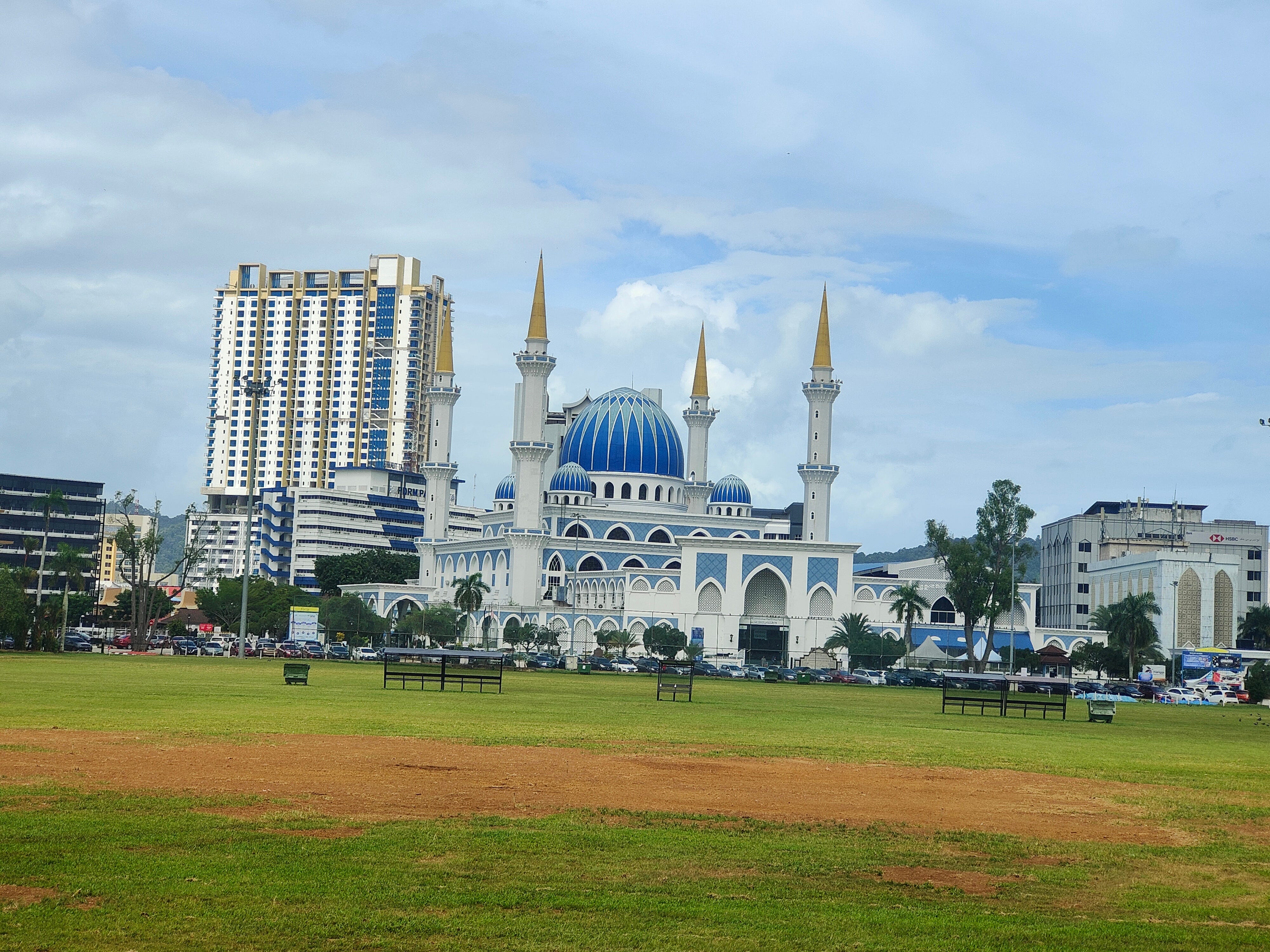
I have yet to explore around the central mosque so, once again, I extend my stay at the Riverbank Hotel in Kuantan. I’m so glad I did: the mosque itself occupies a few minutes to look at, but there’s something much more interesting nearby.
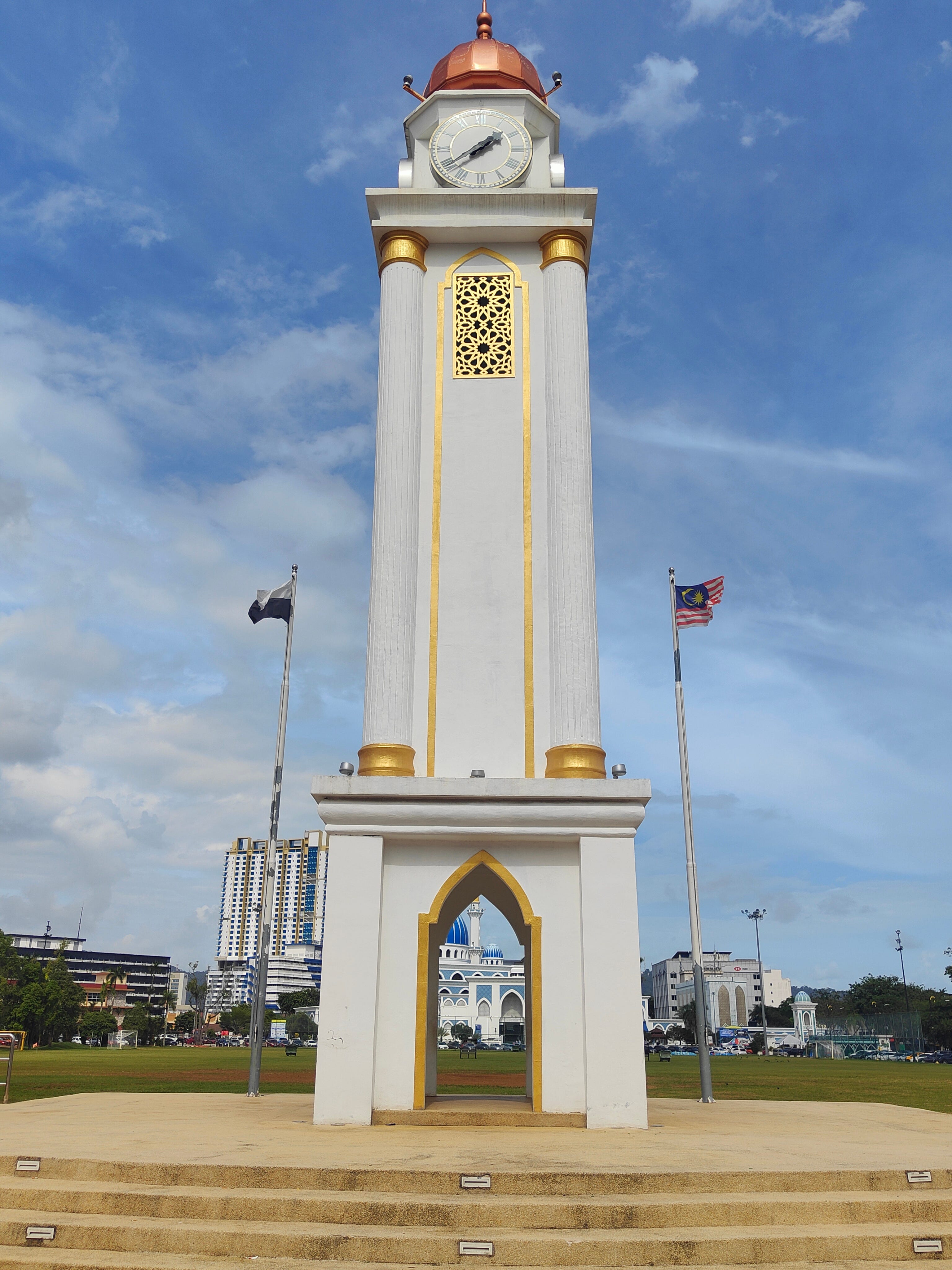
Around the medan from the mosque is Kompleks Muzium Diraja Sultan Haji Ahmad Shah, or the Pahang Museum. I particularly want to see the museum of contemporary art, but it is between exhibitions. I’m told that the Royal Library may or may not be open, depending on whether there’s a meeting. That leaves fashion and textiles (not keen) and musical instruments - sort of keen, but not willing to pay the price if that’s all I’m going to see. The buildings themselves are pretty special.
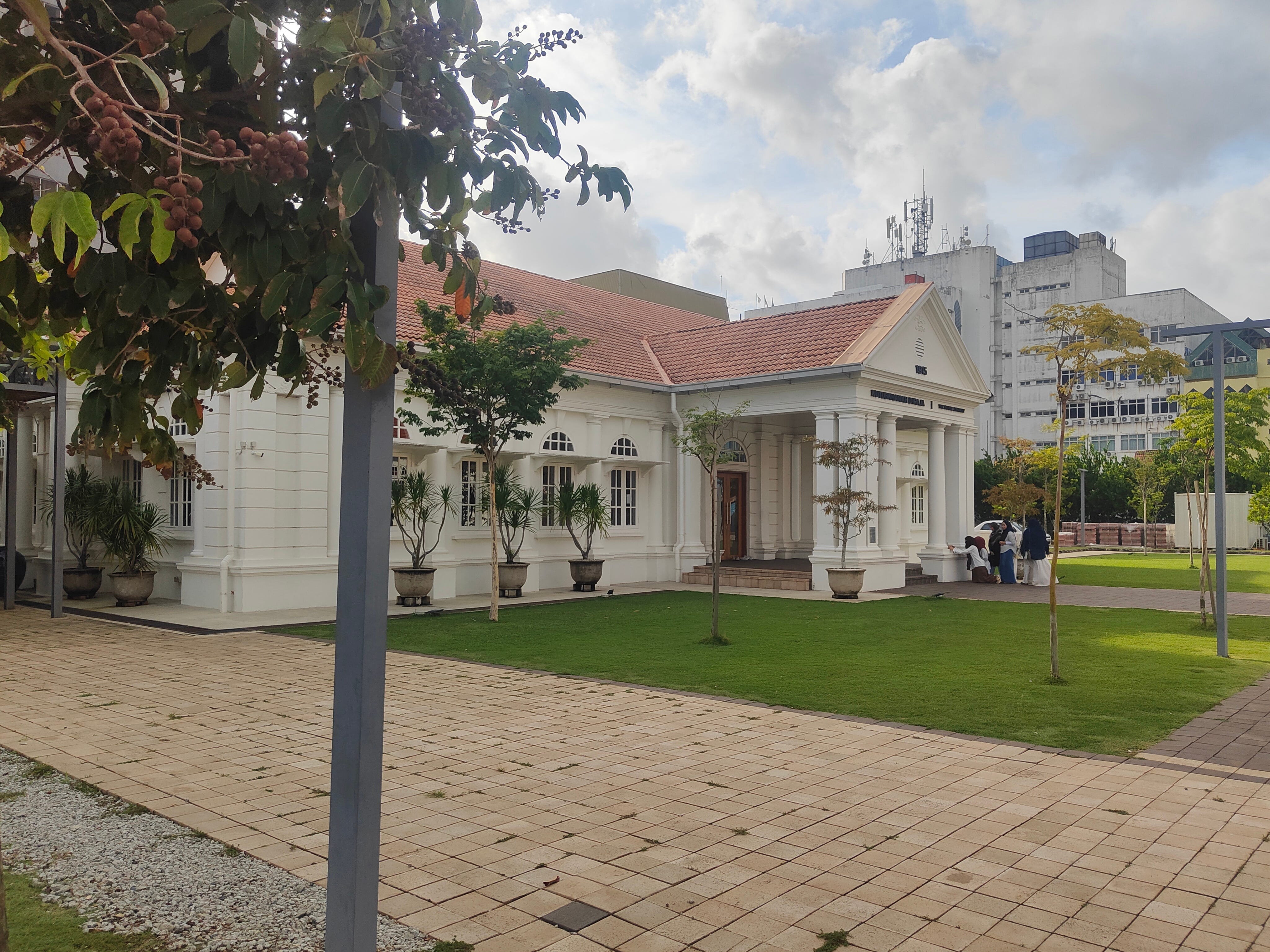
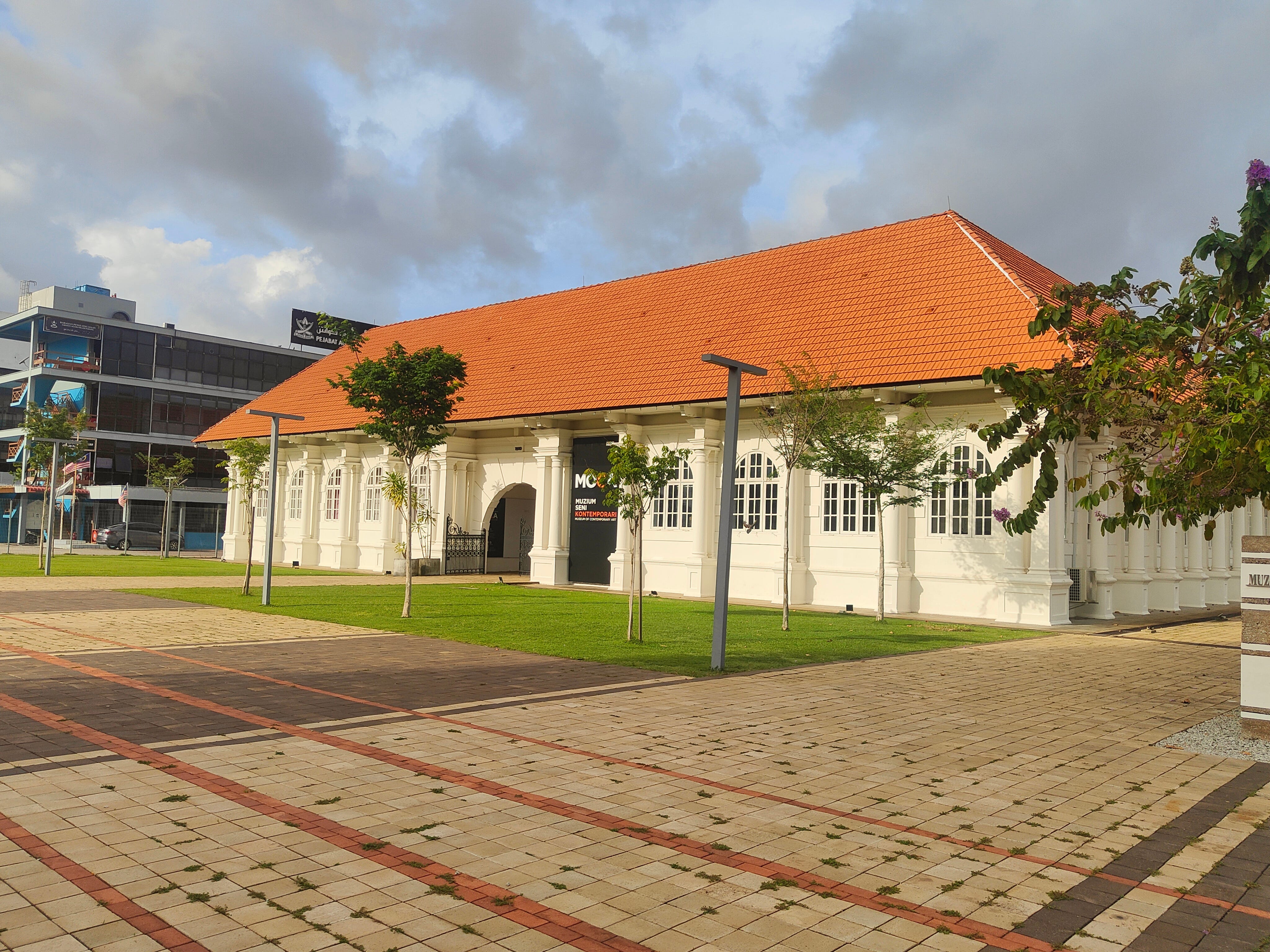
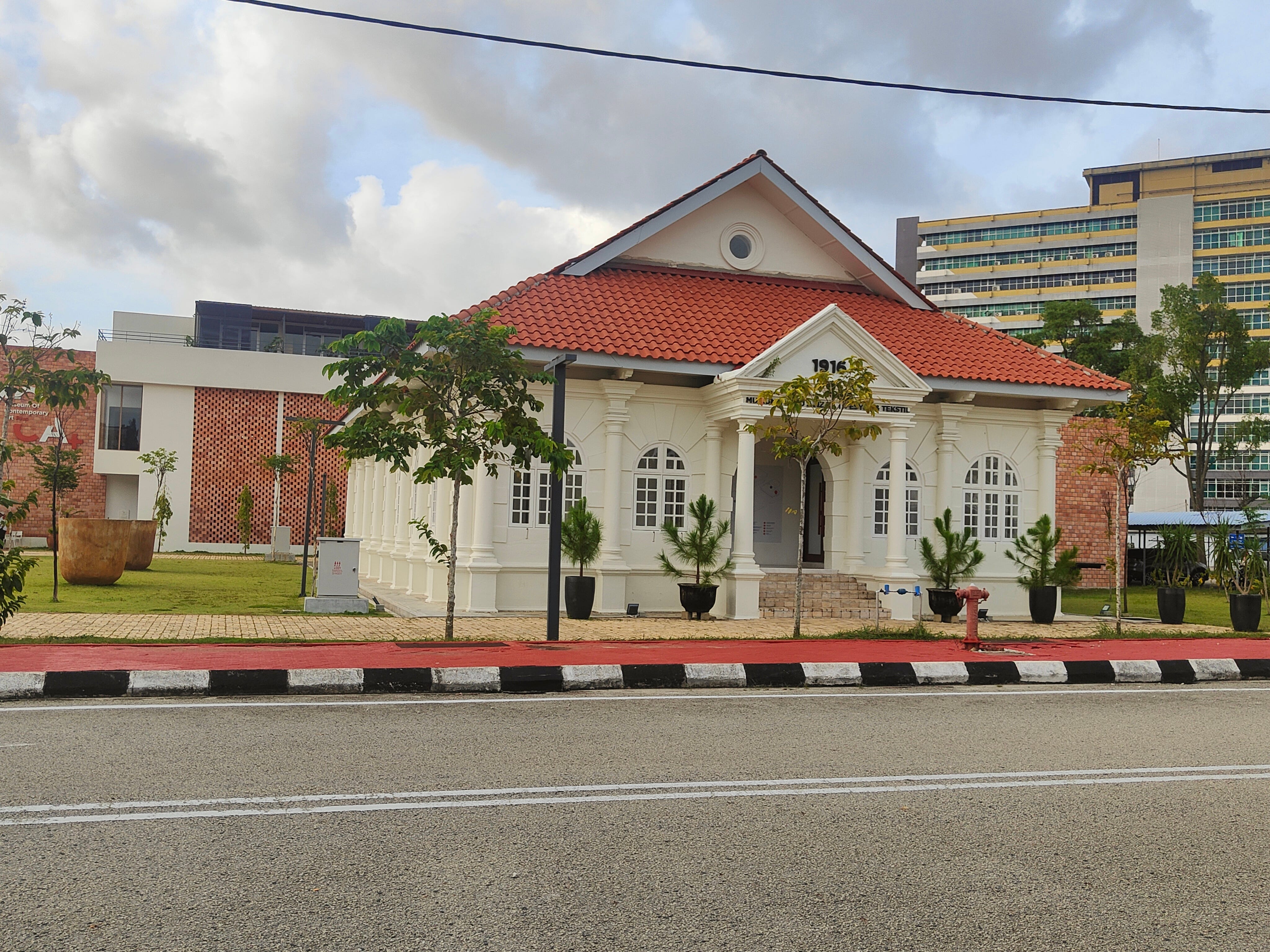
Peering in the windows of the Royal Library, there’s a meeting on - some notice me staring in at them. Oops. There’s another couple of rooms I can see into, with some random exhibits, but then I walk around the corner and find Luth café - which is very much my happy place here. They make great coffee and have a range of cookies - which have a habit of running out. I even get chocolate on my cappucino. Once I find this place, I don’t go anywhere else for coffee and visit three times (a sugar cookie with pink icing, and a rasberry mint chocolate cookie are consumed). The books are all in English but are to be read on the premises, not sold or borrowed.
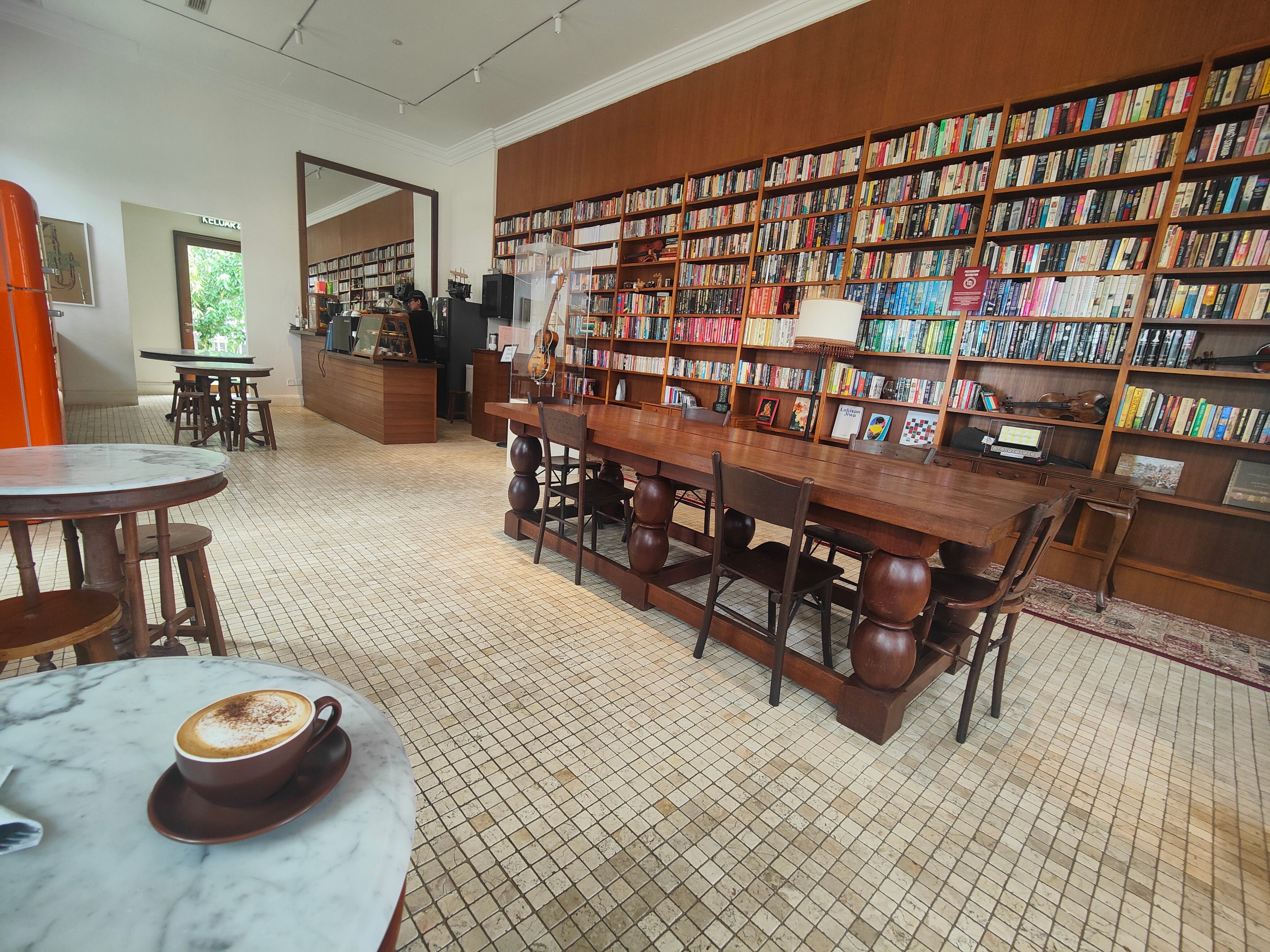


The place is pretty quiet the first time I visit, but on the second, it is enlivened by being completely full of school girls - I think senior high school students. They are very bright in their fuschia tops, with the other elements blue and purple. A couple talk to me - to apologise for the noise and not leaving a seat for me inside: very polite. I hang about here and have a second coffee as I have a bus leaving from outside the mosque.
Getting on, the bus driver seems confused that I’m catching his bus - he asks a couple of times where I’m going. It’s not taking me very far, just 40 km inland, through lots of jungle, some palm oil trees and not much else. On the way, I notice a cemetery built on an incredibly steep and rounded slope: you’d almost need to abseil down to visit. I don’t have any idea how funerals might work.
My destination is Sungai Lembing - a former tin mining town that operated for nearly 100 years until the mine closed in 1986. Now, they rely on tourism - there’s a “nearby” waterfall which takes an hour in a 4WD and then another hour’s hike to get to. There’s also a hilltop from which to see the sunrise. Both require a tour to get to and they require tourists to run: on a Wednesday afternoon, there aren’t many visitors. There’s a pretty good Youtube of these places.
I need to summon someone to come and open up my hotel for me: once she checks me in and leaves, I don’t see a soul there. This is the beginning of town from up at the museum - there’s a block of shops (not many open) a market and then a block of houses.
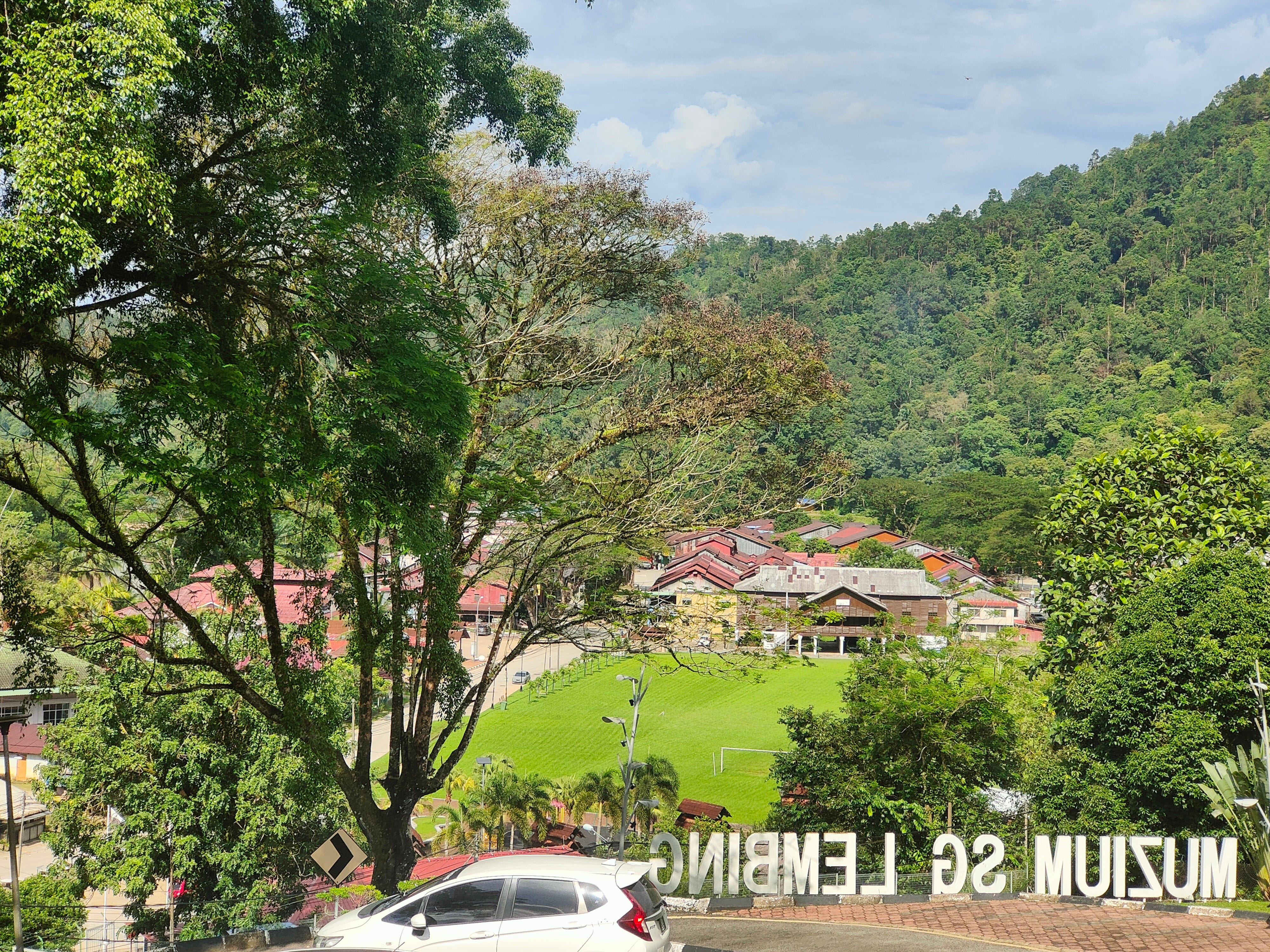
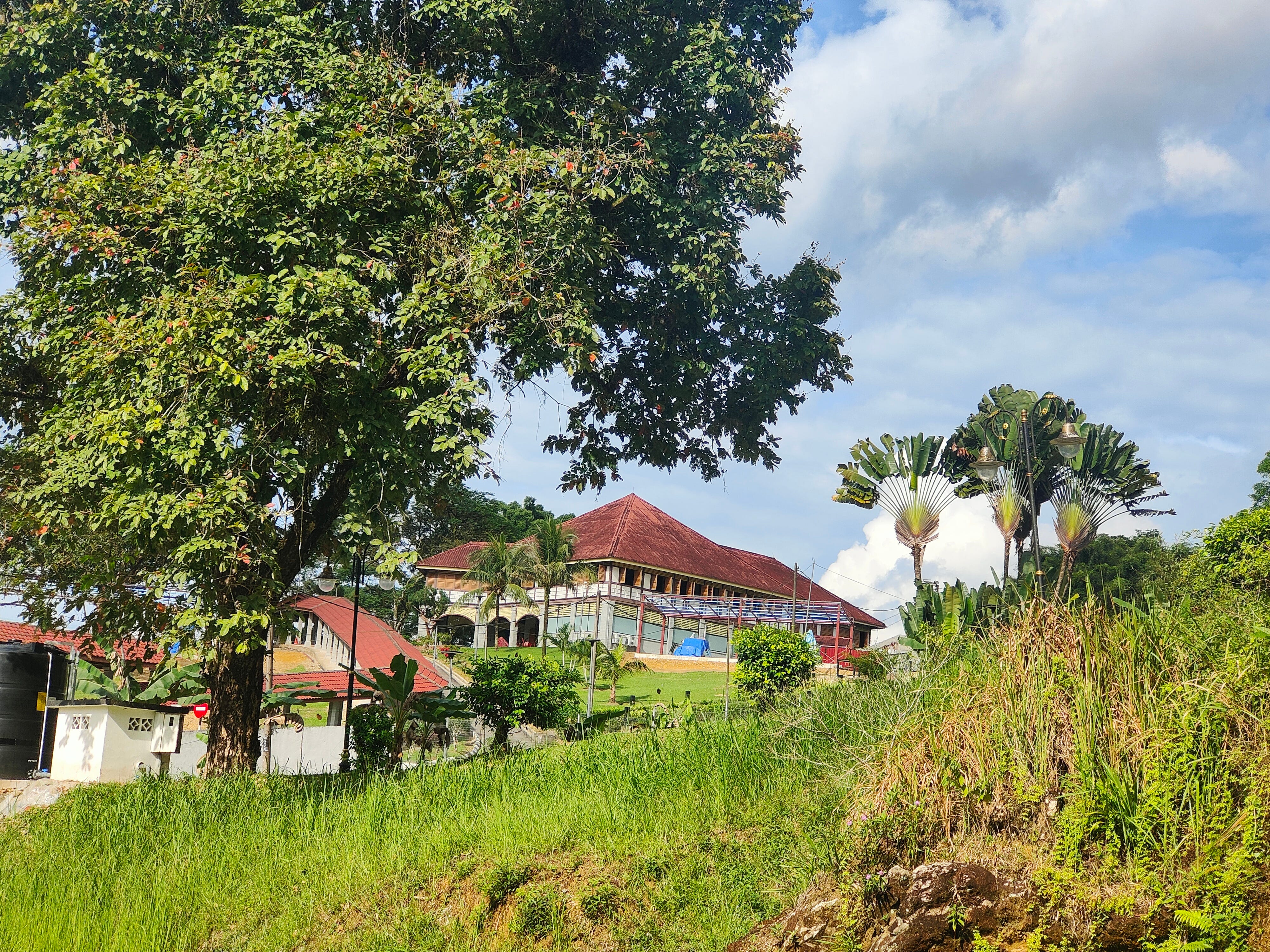
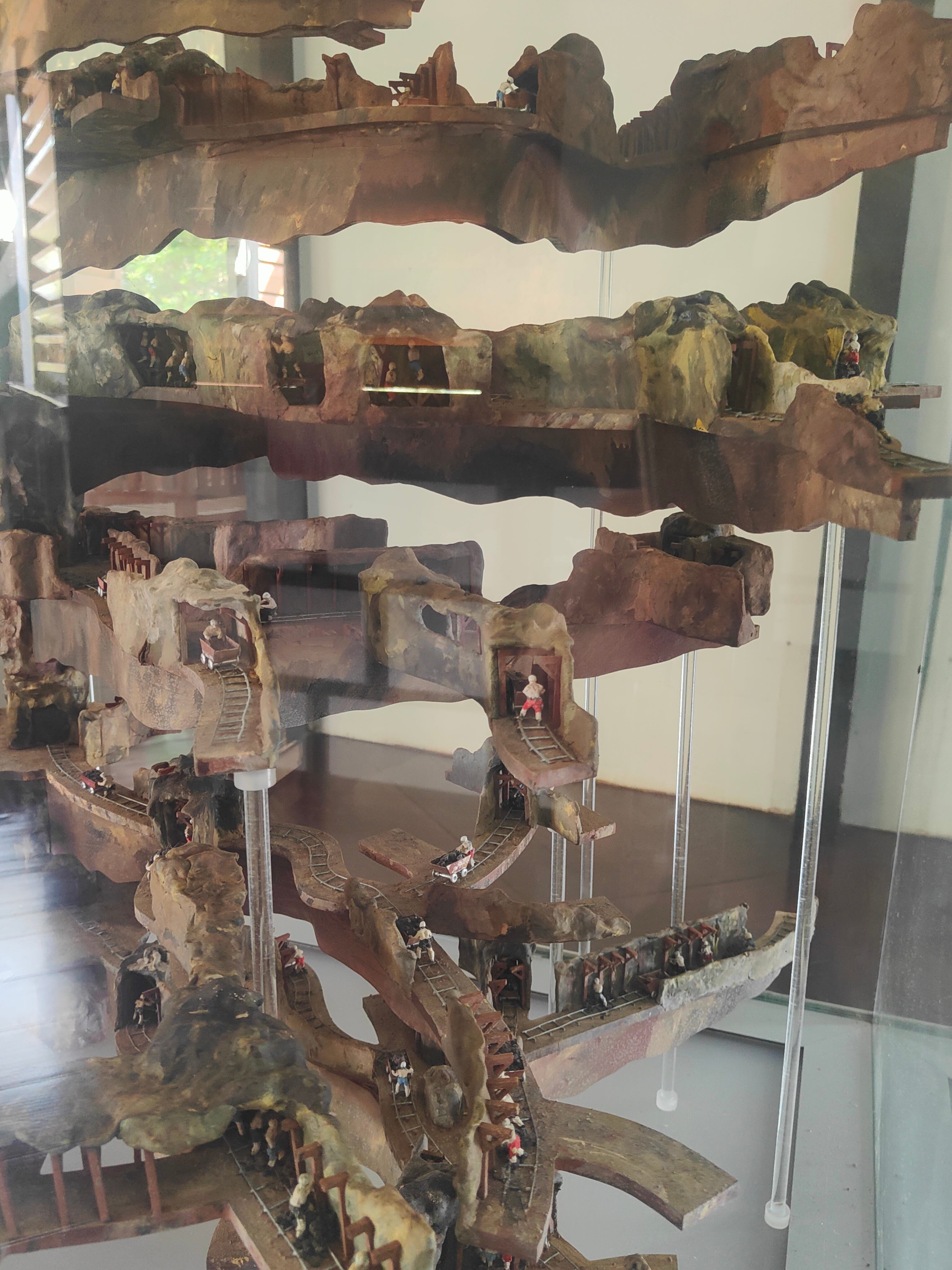
The museum is the former mine manager’s residence (and HQ for the Japanese during the war): it’s the highest building in town. It has a few bits and pieces of mining apparatus and office equipment: only the manager’s bedroom has been left furnished. They have also created a cool model of the mine.


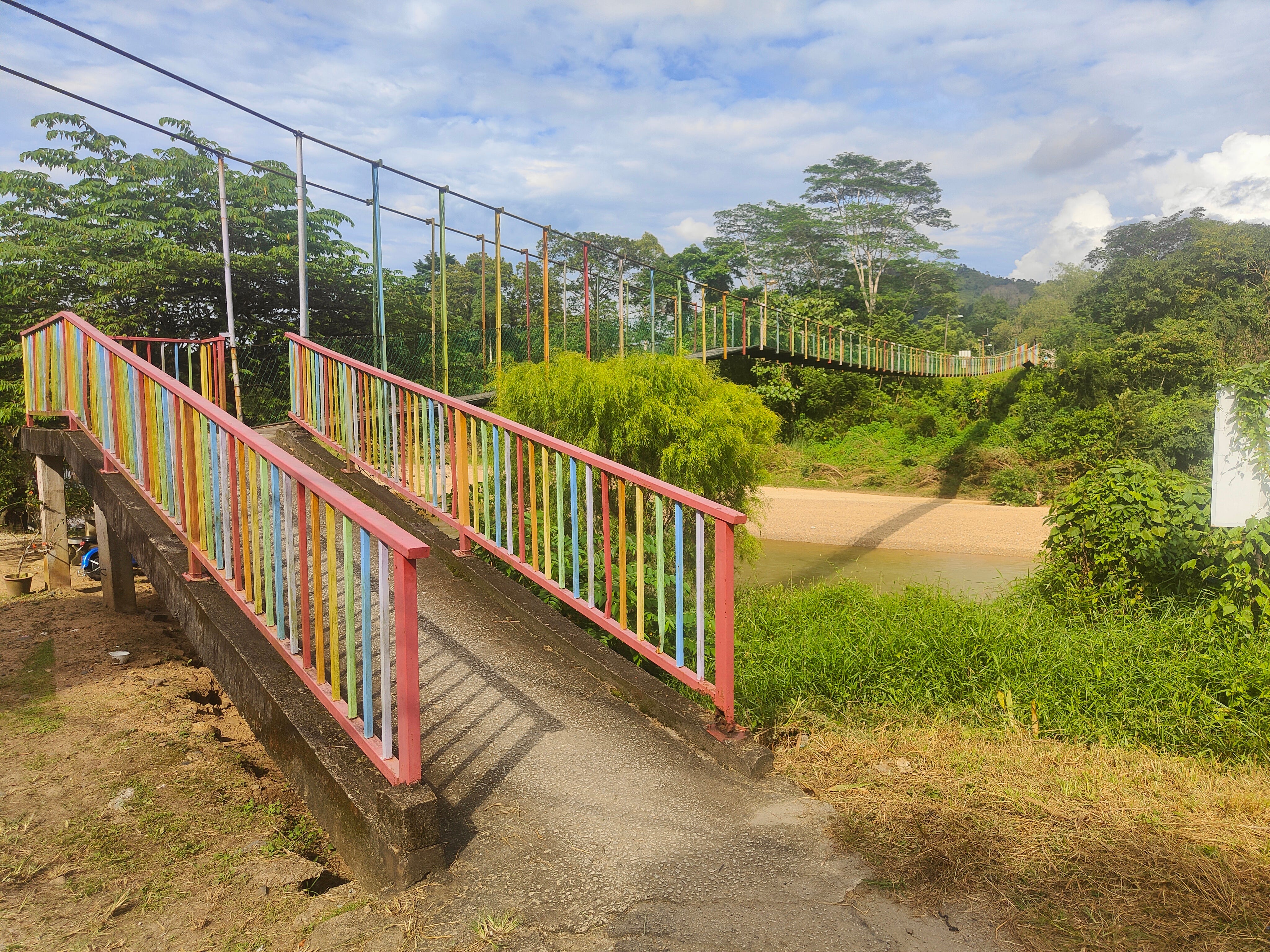
Although Sungai means river, the town is not on the Lembing River (if there is one), but the Sungai Kenau. There are a couple of swing bridges across the river, with an even smaller village on the other side between them. Here I find Sungai Lembing’s most famous business - it’s noodle “factory” - really a small space in a small shop. There’s a sauce maker next door but nowhere here to eat the noodles. Apparently there’s also a coconut biscuit factory around, but I never see it.


Back in “town”, I find only two places for dinner - the Ho Wan Café and the Restaurant Yee Tai. I’m curious to try the local noodles - the water is said to give them a specific flavour and level of chewiness and I have seen a nice looking dish at the Ho Wan online, but when I ask, “no food” - just beer. Beer, I might add, they keep serving until after 1 in the morning, directly across the street from my room, which only has louver windows.
So, I try the Yee Tai - they have lots of photos of food, almost all of them have turned green so it’s hard to work out what’s what. I ask for noodles and am basically told I am having pork belly with rice. OK. It’s a very sparsely furnished restaurant.
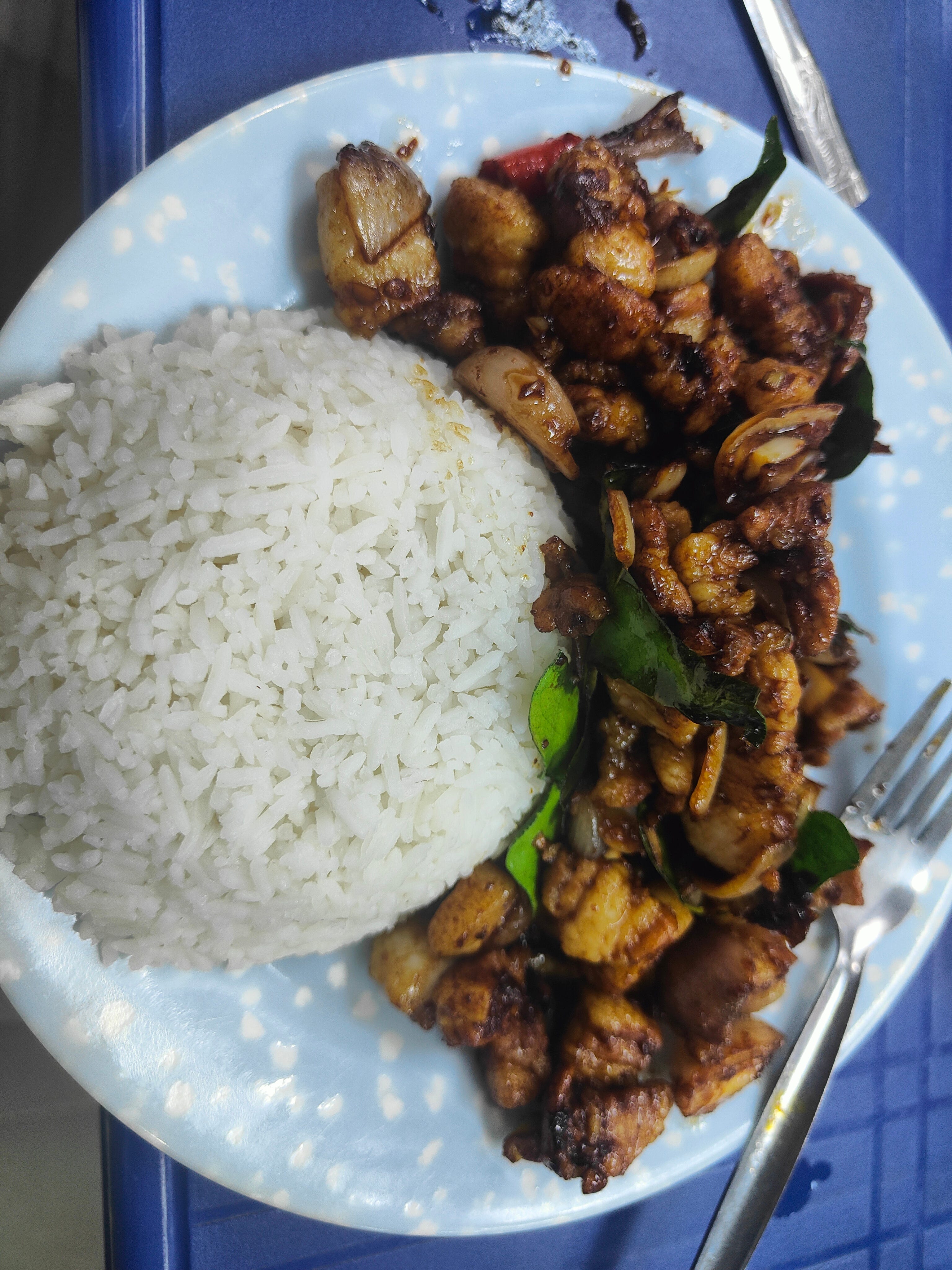
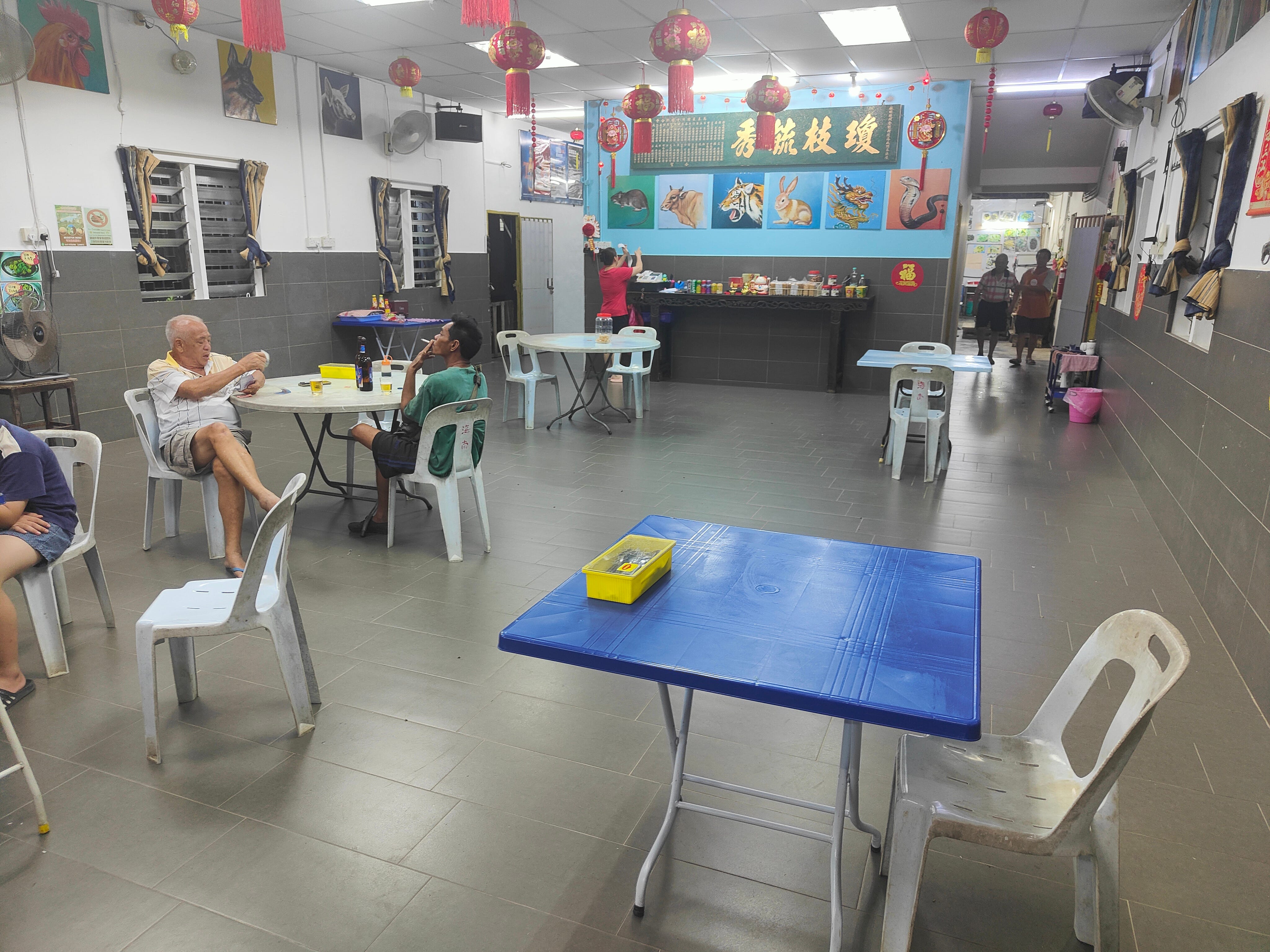
It’s actually pretty good. Not knowing the Ho Wan would be open so late and knowing that none of the shops sell beer, I settle in and have a couple of bottles before retiring to my hotel. There are worse ways to spend the evening.
Cheers!