
Coffee and Gold
Some local travel

I heard about a new coffee shop which had been set up in an old goods shed out in the country, about an hour away from home. Last weekend, I thought I might drive out to check it out. It’s in Waitahuna, which is variously described as not just a hamlet (one definition of hamlet is that it is a “very small, typically unincorporated rural settlement with a population generally under 100”), but a small hamlet, or as a small village. It had been much bigger - thanks to the gold fever which hit the area in the 1860’s - but these days it’s just a few houses, a memorial hall, a transport yard and the coffee shop.
Despite Waitahuna’s tininess, I can’t find the coffee shop! Google maps has to be deployed - it turns out that there are two streets running off the main road which are not connected. I also see there’s a coffee shop 11 km further on in Lawrence, that I know nothing about. It’s going to close soon, so I make a big decision: I’ll go to Lawrence for a coffee and come back to Waitahuna for lunch, as they’re open quite a bit later. I’m glad that there’s a new place in Lawrence, as over the years, they’ve pretty much all closed.
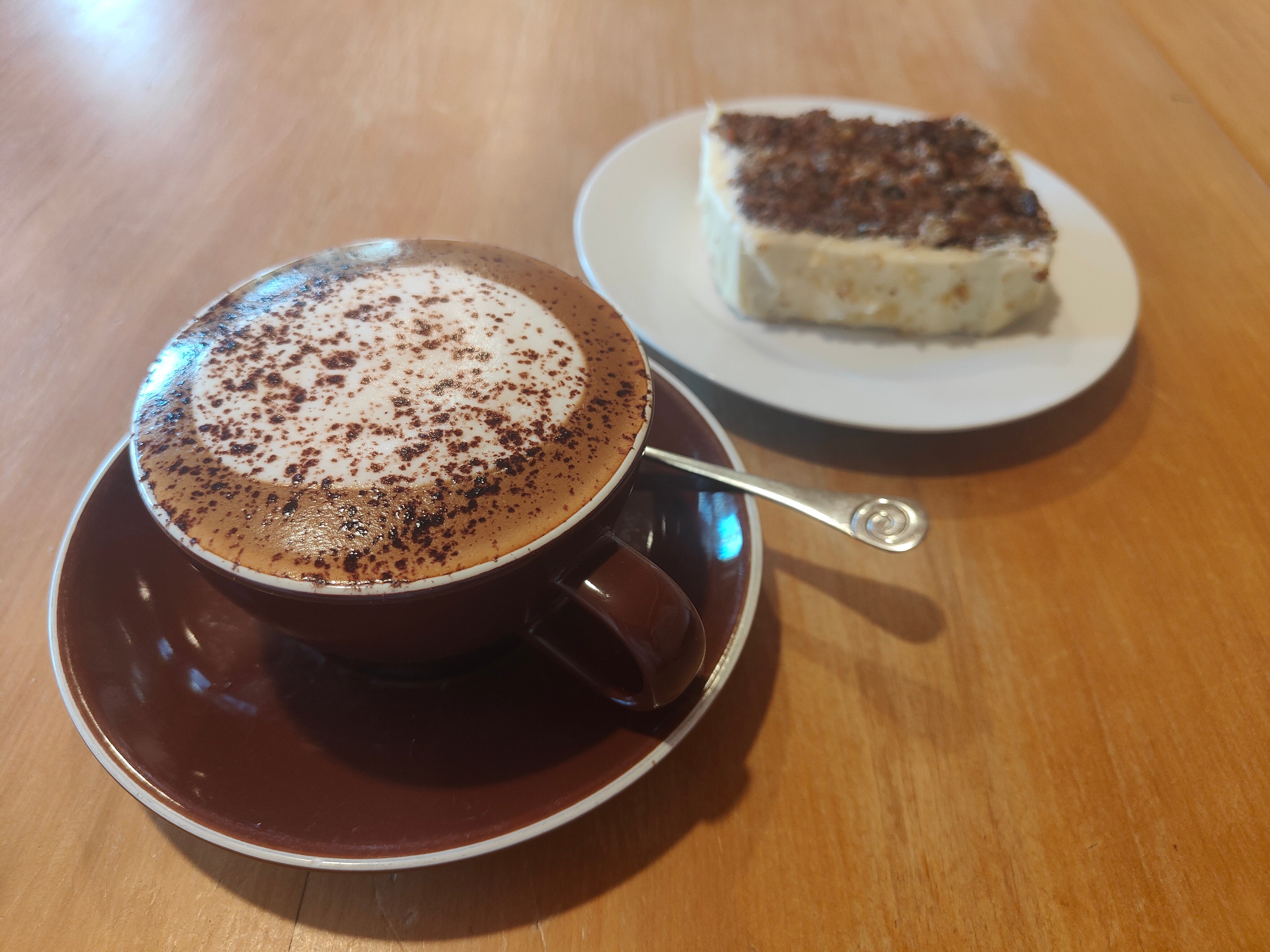
Bean Jazzed Coffee is up a side street, high on the hill above Lawrence - there’s a sign outside suggesting stupid people are not to enter, and on their facebook page, they say a sense of humour is necessary, enter at your own risk. The fellow running the show does seem a little touchy, and is a bit gruff when I say I’m glad there’s somewhere new in town, with the places on the main street closing: “I’ve been here five years, mate”. I ask if I should leave, being so stupid - his offsider laughs but he’s non-committal. They make a fine, quite strong coffee, and the carrot cake’s pretty good.


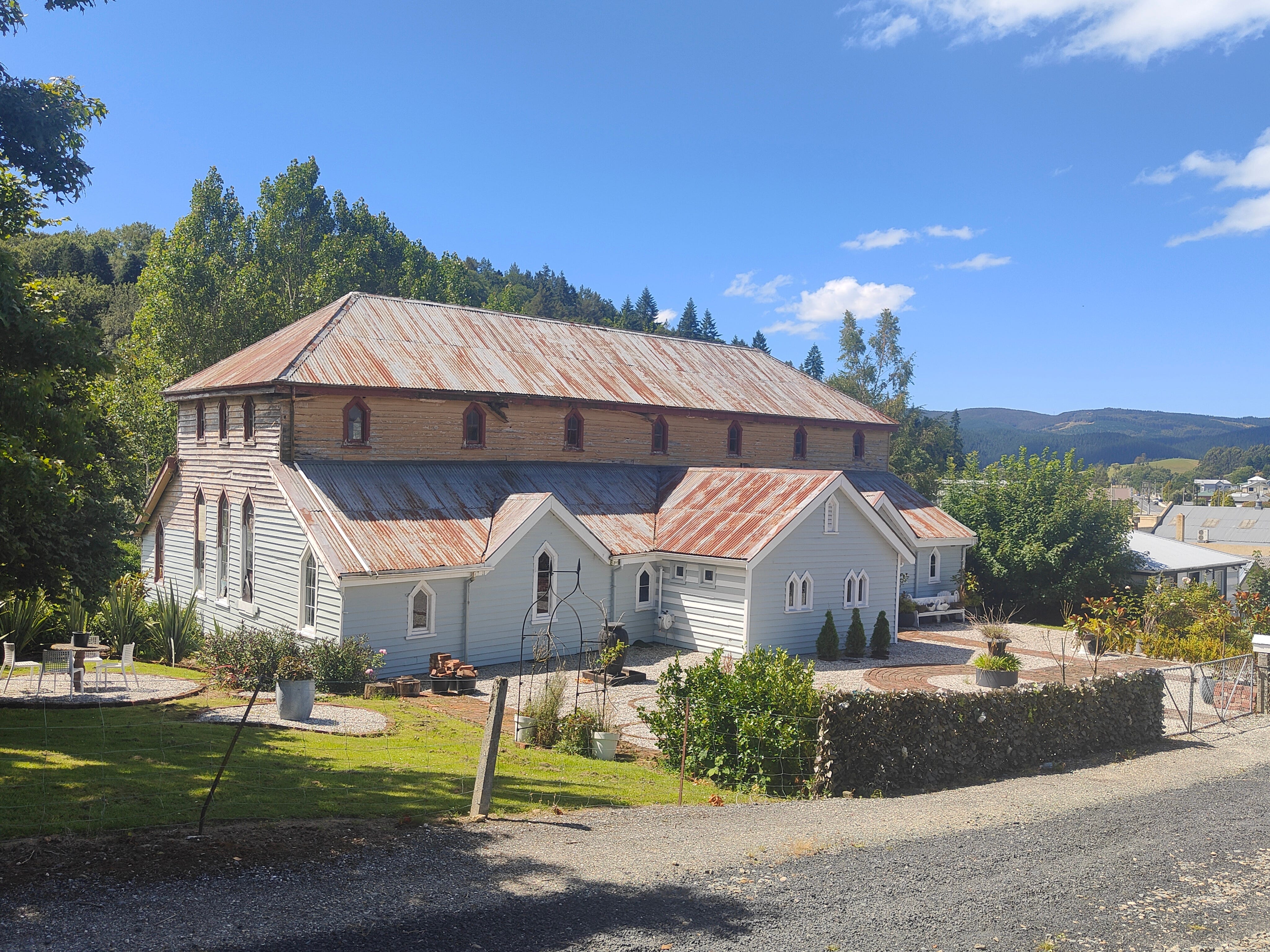
Lawrence was put on the map in 1861 when Gabriel Reade accidentally found a large gold nugget, sparking a gold rush - within three years, 24,000 people had accumulated there - more than double the number living in Dunedin (it currently has 510 residents). The original town was built in a low lying area which was flooded as a result of sluicing, leading to the establishment of new Government buildings and churches on Colonsay Street, up the hill from what is now the main street. Clearly they intended to last - although the courthouse was ultimately used for just ten years: the population depleted rapidly when the gold ran out.


I’m fairly sure that when I first saw this building, around 20 years ago, it had no floor - it has one now, although I’m not aware of any plans to use it (apart from the person living at the far end). Nearby was the post office and, across the road, the Presbyterian Church (closed in 1973 and 1996 respectively).


Just down from the courthouse, there’s the Catholic church and presbytery - both are for sale since closing in 2021 - and it’s school is across the street.


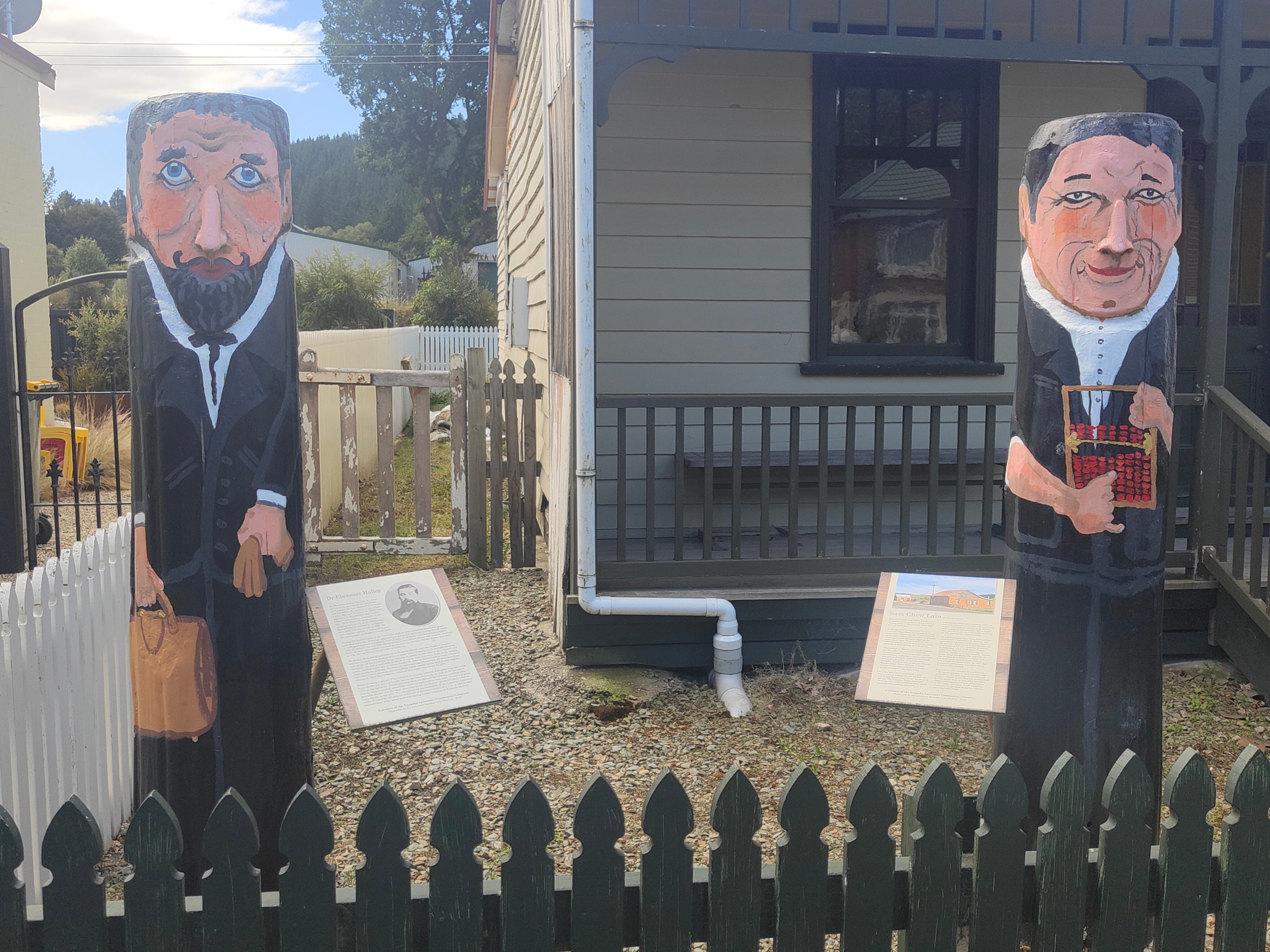
Lawrence once had a large number of carved, painted wooden statues strung along its main street, but most seem to have gone - I only find two, the local doctor (Ebeneezer Halley, grand nephew of the Halley’s Comet Halley, who worked himself to near death in service of the community) and publican (Sam Chew Lain).
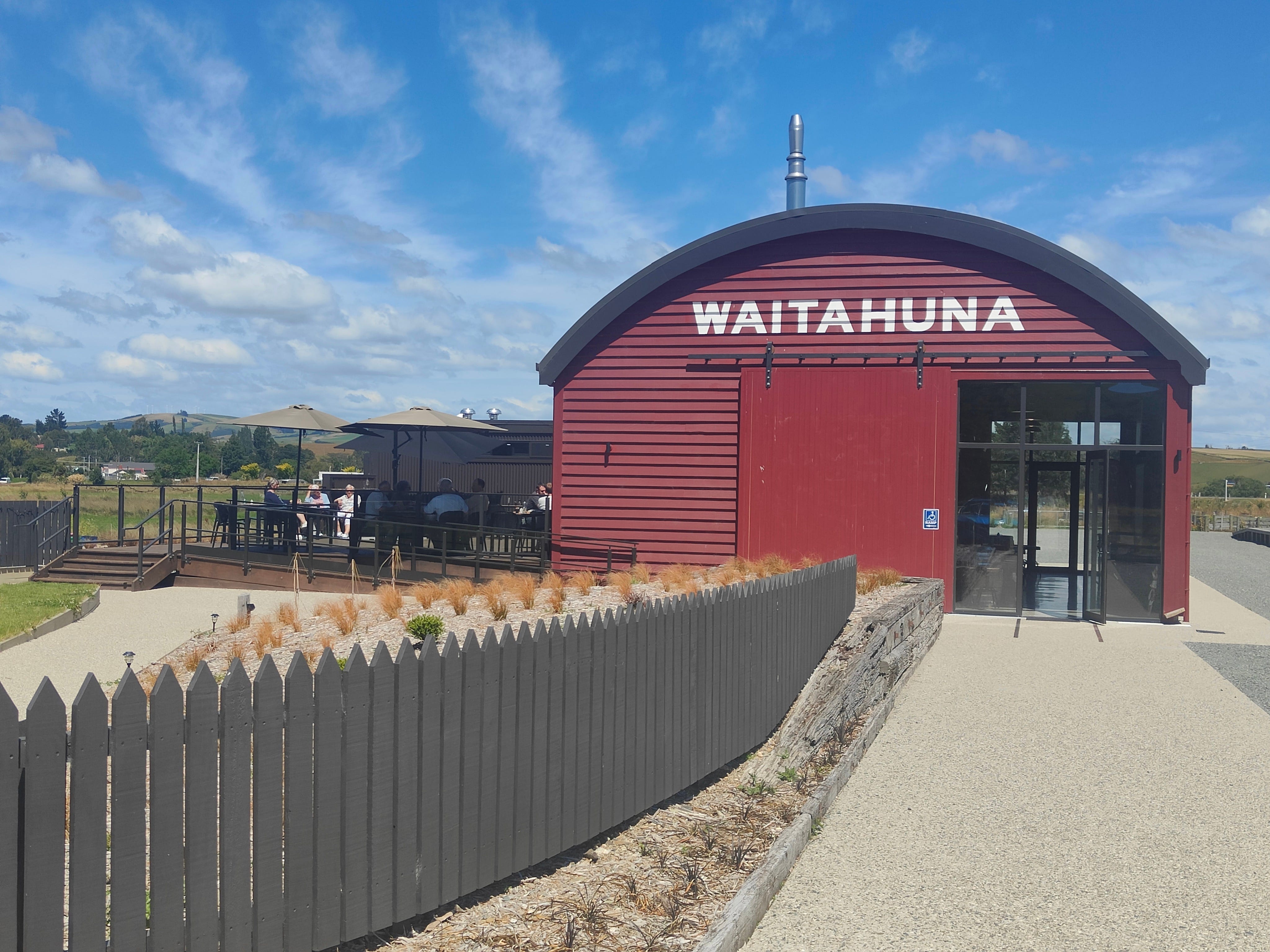
Alright, back to the Goods Shed café in Waitahuna, which has obviously had a lot of work done to it. The railway line ran through here, quite briefly, and the station is still standing. My toasted cheese ham sandwich is, sadly, a bit sad but the coffee’s nice and I like the space.


I’m not quite ready to head home, so go back to Lawrence and take the minor road, which goes to Waipori and Lake Mahinerangi - it’s a gravel road, so not many people use it. It follows the path people had used to get from Dunedin to Gabriel’s Gully. Being the weekend, I don’t encounter any logging trucks.
Waipori was another gold strike area, probably the closest to my house at 60 km away. The largest gold nugget (400 grams - $US65,000 today) to date was found hereIt was a bit later than Gabriel’s Gully - December 1861. From all accounts, it was a pretty terrible place to live - remote, little food or timber, very cold in winter, exposed, very hot in summer - but up to 7,000 people lived here, with 11 pubs and 3 ginger beer factories. Several gold extraction techniques were pioneered here and it’s one of the first places that the Chinese miners gather capital to invest in plant of their own, rather than the small scale, individual mining to date. Their stamping battery is still here, and funds are being raised to do some restoration work, but I don’t know where it is.


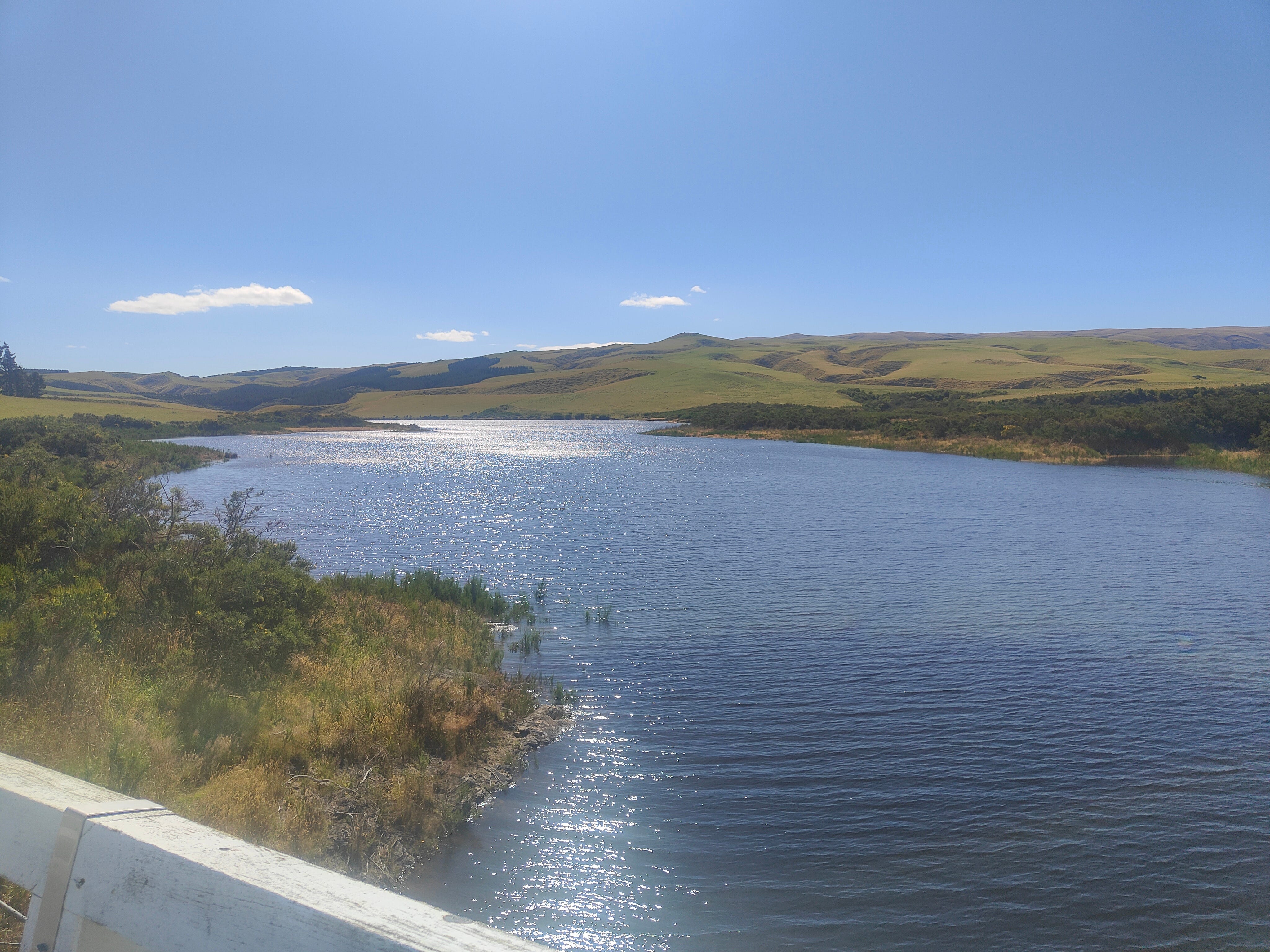
There’s not much to see these days: from 1924, Dunedin City started building a progressively bigger dam, which has created Lake Mahinerangi. I quite like this lake - it has interesting shapes and is much nicer than Lake Waihola. Very few people live here, but there are a few fishing huts. These photos are from the bridge crossing the lake at mid-point.


This is all that’s left of the Waipori town - the townsite is under water, although most buildings were removed prior to the flooding. I don;t know how there’s a single house built over the lake.


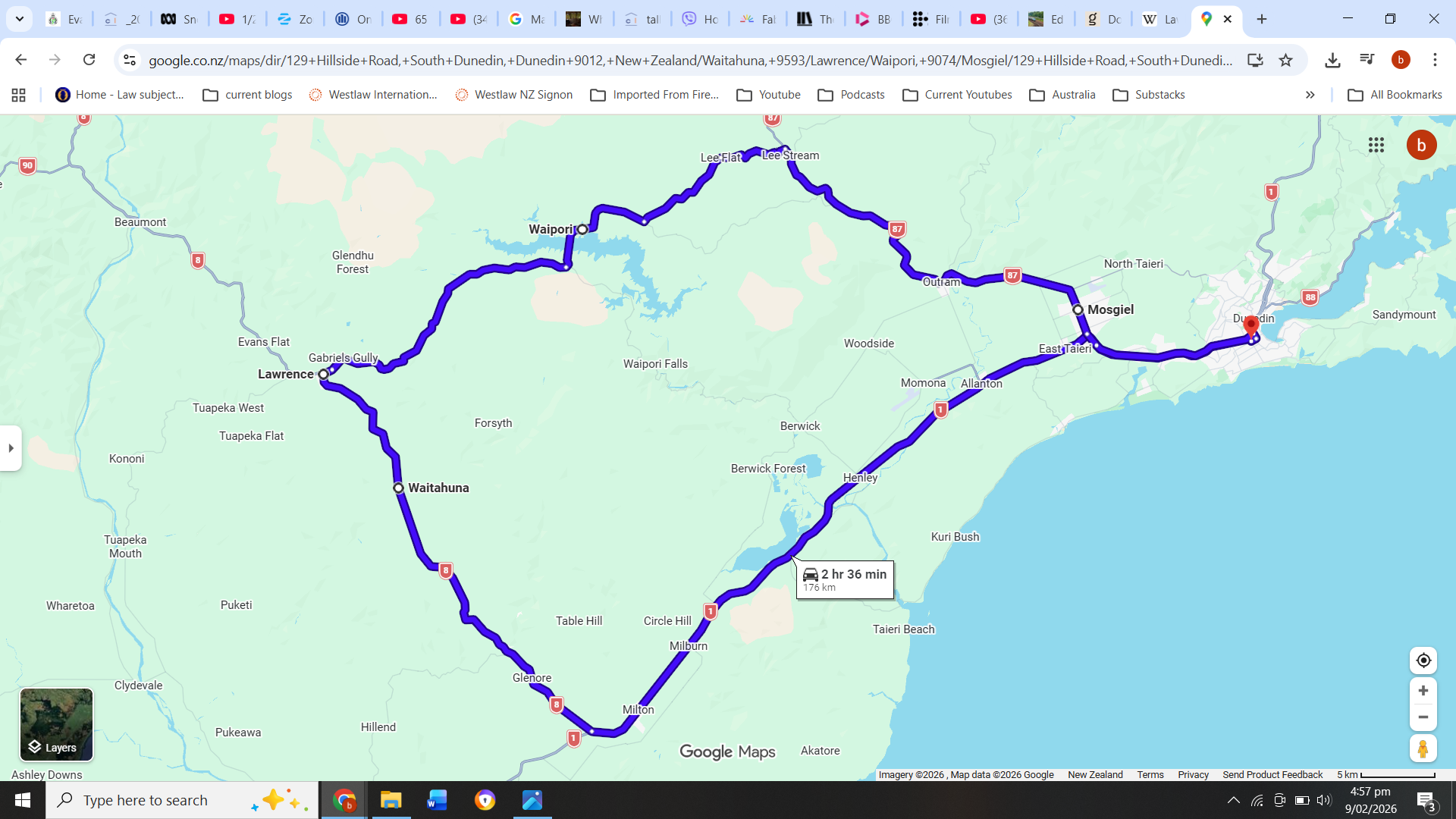
I drive on out past the cemetary to an extremity of the lake before heading home. The last picture is a map to show my route.
Cheers!
https://www.instagram.com/reel/Cqekq-rjE9J/?igsh=MWF3NGY1dWk5c2l5bw==
Hi Barry, you might be interested in this: https://www.lawrencechinesecamp.co.nz
I haven’t been but am keen to visit in the future.