
A ghost town, then Penang

So, there’s something a little bit different about this post: I hope you will bear with me. I visited a ghost town and came away with too many photos to deal with sensibly in a post, so have converted most of them to a video - really a slideshow - that takes 2.5 minutes to display. I think it’s worth it.
I wasn’t actually coming to Ipoh on this trip - been there, done that - until I saw a video by a fellow who went to Papan, about an hour south of Ipoh on the city bus: I had to go. My back and a slow start stopped me from doing so yesterday - the back is still a bit twitchy, but only when I stand up or sit down, so I think I’ll be fine to walk. Last time I was here, the Ipoh buses looked to be in a terrible condition, but things have improved a lot in two years. I pay my 2 ringgit fare and I’m off. Traffic is awful, which why it takes an hour.
I’m desposited beside what could be another ghost town - a row of recently built shophouses, at least 250 metres long, almost completely deserted. There’s a convenience store at the far end, a couple of motorcycles parked in random places, possibly the battery shop will open but otherwise nothing. The steps to go upstairs are marked by debris, suggesting non-use.
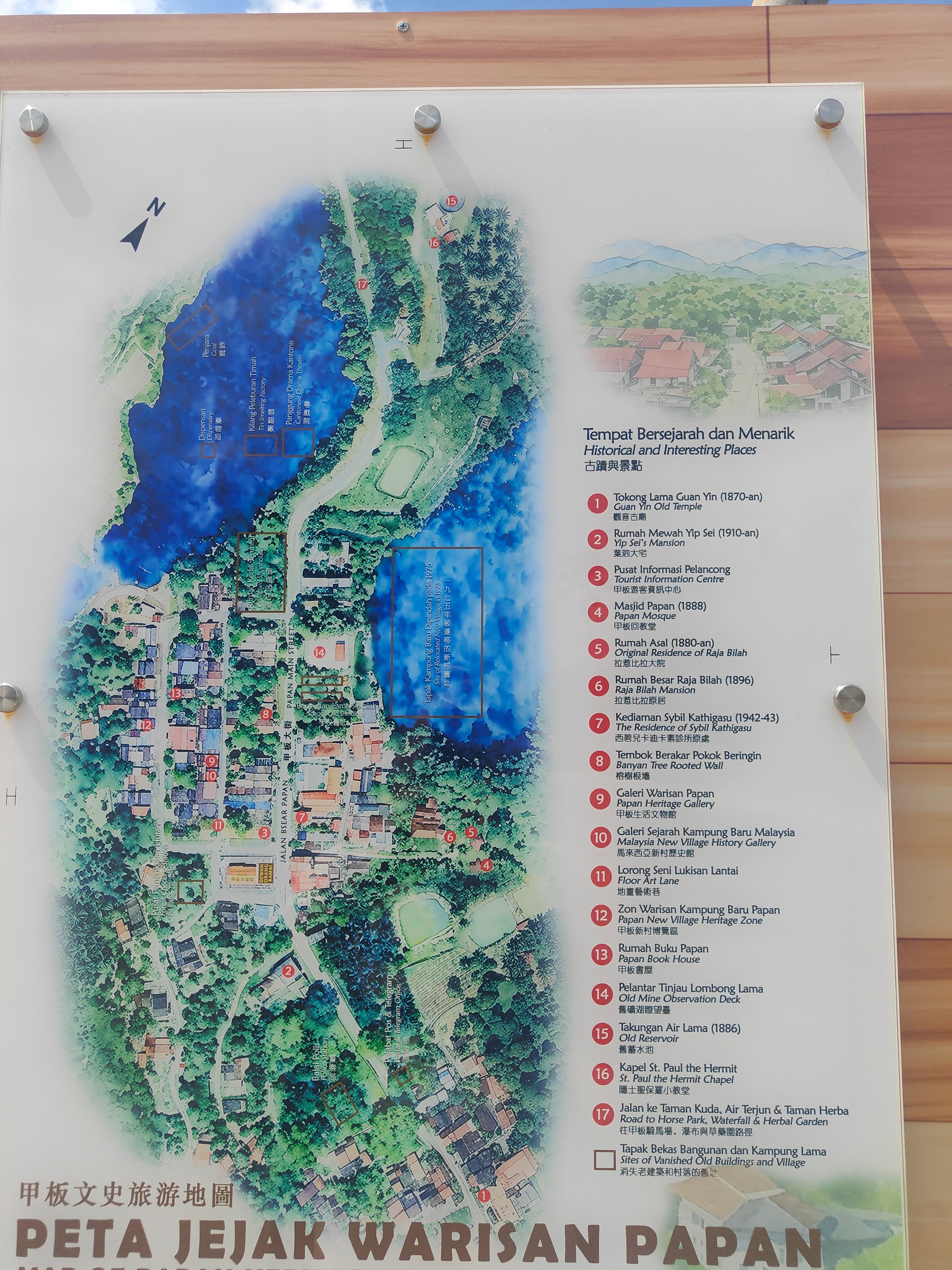
Papan is a 15 minute walk away. It was a mining town - tin - but when the bottom fell out of tin prices in the mid ‘80s, the mine closed and people moved away. There’s also a darker history to the town. The Malayan Emergency was a civil war between the pro-Independence communists (many Chinese) and those supporting the British Empire, running from 1948 to 1960. The British forcibly removed more than 500,000 people, the vast majority were Chinese, into Resettlement Areas: Papan was one of them. People were behind barbed wire fences with armed guards for 8 years, until the local guerrillas were defeated and it was “safe” to take the fences down. I don’t seen any signs of this part of the town’s history.
It’s actually a lot more occupied than I expected - there are four streets running for two blocks - the main street is not occupied at all really, but the two outer streets seem to be fully inhabited, although one or two of the houses are partially collapsed. There’s a small place doing meals and a couple of other places where I can get a cold drink or a snack, and that’s about it for commercial activity.
I am nearly finished my wander around town when a red car stops, an older women jumps out and tells me to follow her. We go to a vacant lot, where she has to hack away at the plant life to get through - the point is to show me the back of the adjacent building, where tree roots had slithered up the wall to create an interesting design around the window frame. There are a lot of workmen about, keeping the place maintained. I see half a dozen or so pairs of tourists coming in for a look around, so the place is getting some interest - I find it really fascinating, so do hope you will watch, and enjoy, the video. I think Canva (it’s my first time using it) has put my photos in reverse order - the broken truck is actually my last photo, taken while I wait for the bus back to town.
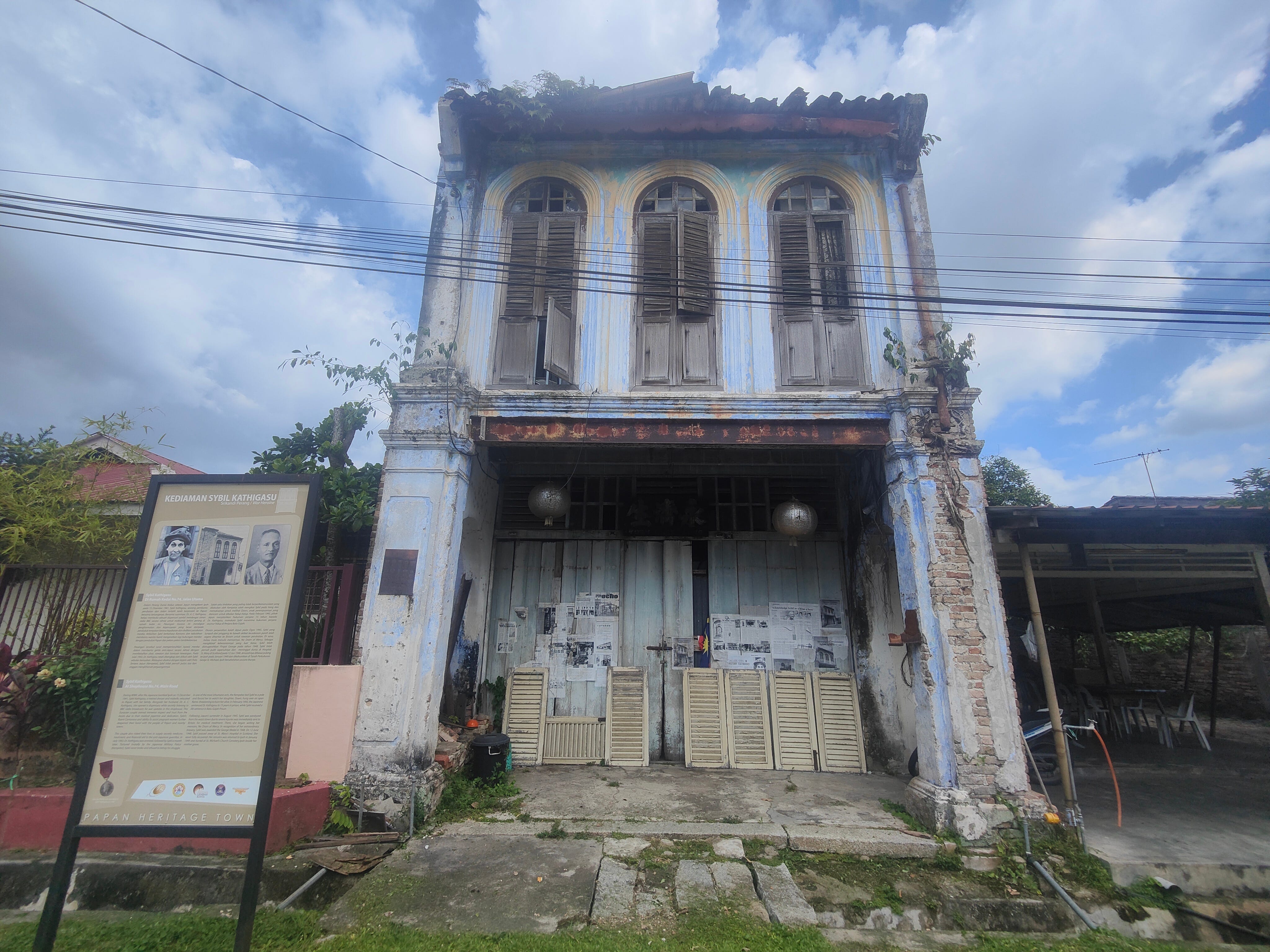
This house had its own poster to talk about the woman who lived here - Sybil Kathigasu. She was an English midwife who came here after the Japanese bombed Ipoh at the end of 1941. She and her husband (a doctor, but she gets the poster) had a dispensary but got into trouble for supplying medicines and aid to the anti-Japanese guerrillas: they were both detained and tortured by the Japanese (they even hung the daughter over an open fire) but they never broke or shared their secrets. When she was finally rescued at the end of the war, Sybil was paralyzed, She received the George Medal and wrote a memoir, No Dram of Mercy.
Papan has an older history as well. There were various wars in the 1870’s - I think mainly the locals v the Brits, who were not welcome. The Brits thanked Raja Asil for his efforts on their behalf by giving him all the tin mining rights around Papan. His son, Raja Bilah, took over and turned this into the biggest tin mining area in the country (the main marker of this mining history is a nearby man-made lake). When he faced competition, he sold all his mining interests and built a big house - which is now called the Fort.


My last evening in Ipoh, I try to have dinner at a wonderful food court I visited last time, but its closed. In it’s place, I go to the pub - the Beer House - which is well regarded for its food. I’m intrigued by the idea of pork belly with peppers and a marmite sauce: I don’t really taste any marmite and the peppers are noticeable by their negligibility - it is just a pile of pork belly, a little dry.


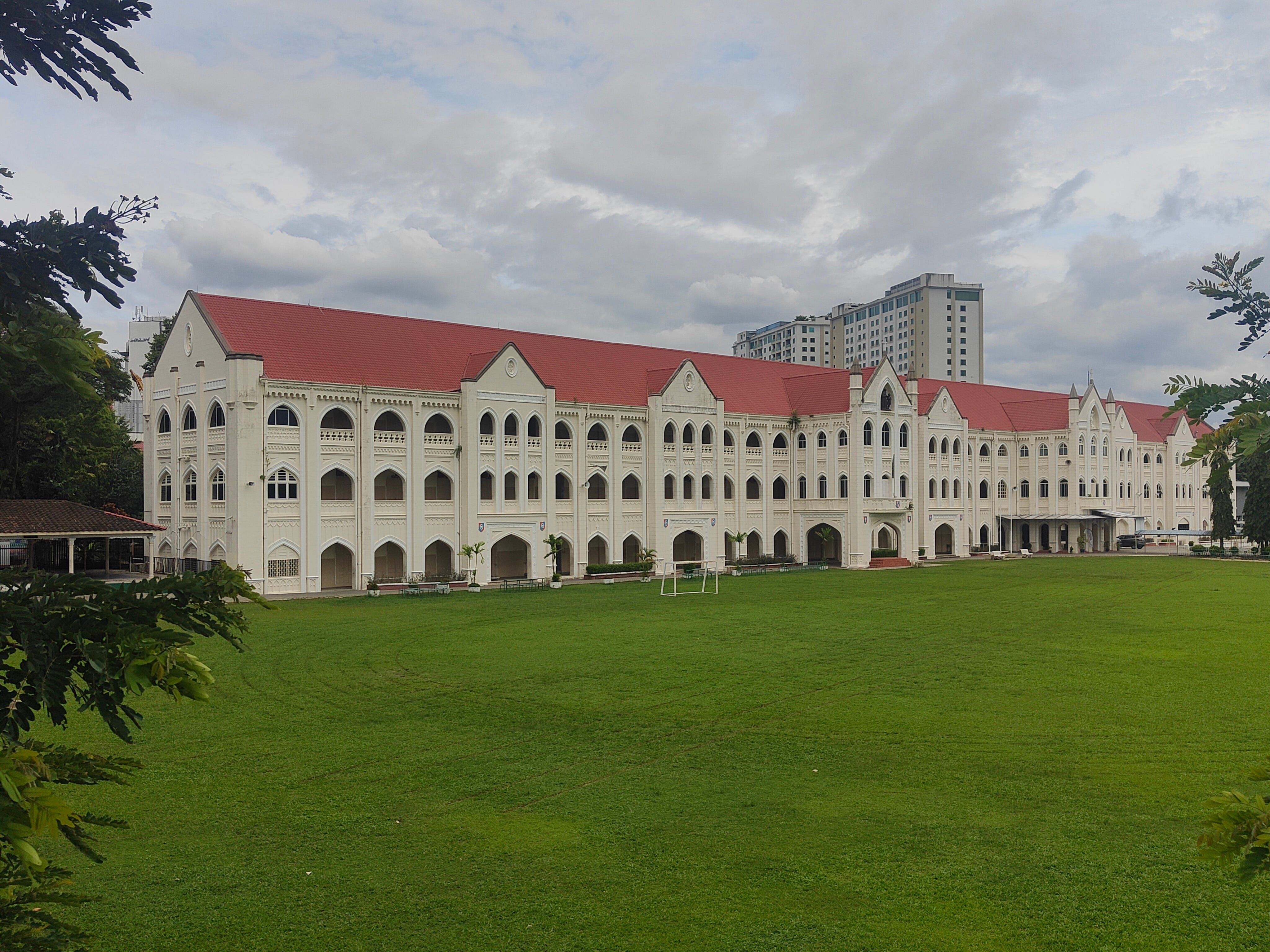
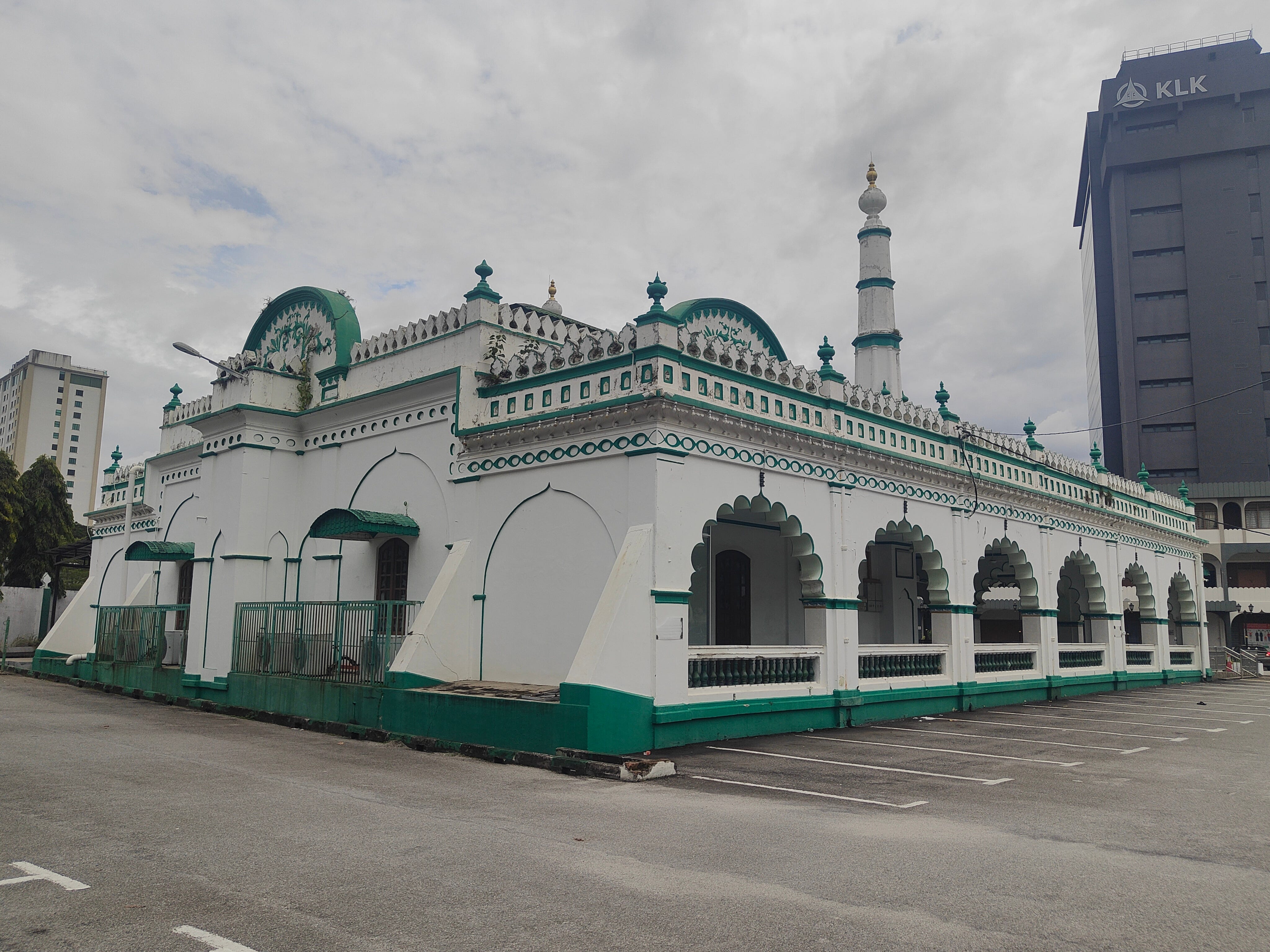
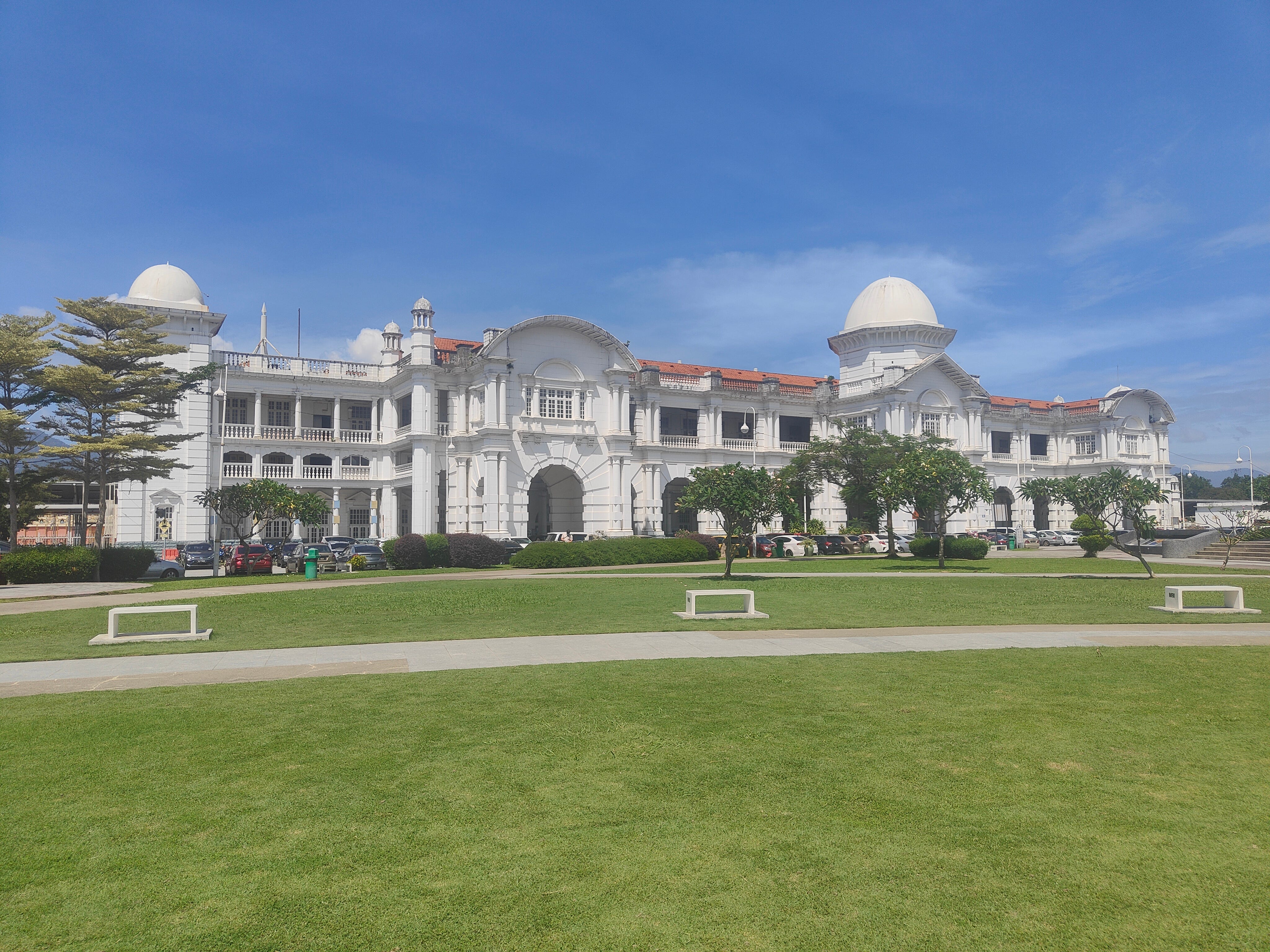
Just a couple of last images of Ipoh - its rather marvellous looking St Michael’s Institution, started by the Catholic De La salle Brothers in 1922. The building has been extended twice since then, tripling its size, but staying true to the original design. Next door is a mosque, for Indian Muslims.
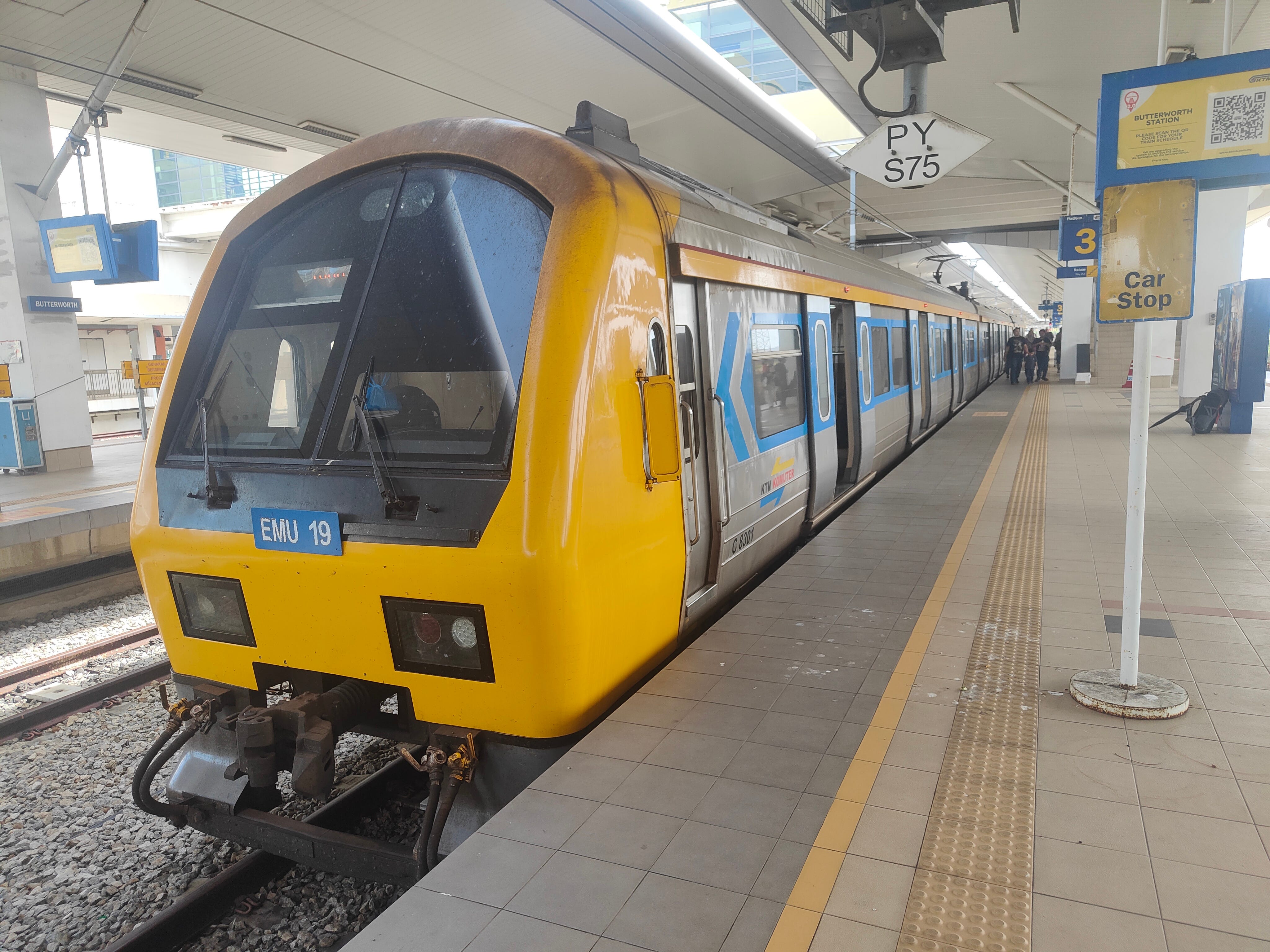
It’s hard, and will be impossible from 1 January, to book the ETS train from Ipoh to Butterworth so I don’t bother. There is a train dedicated to the route - not as fast or comfortable as the ETS but it does the job: the Komuter. Seats can’t be booked and there are not many of them - just a line of them down each wall - so you can find yourself standing: luckily I don’t, but I have taken the precaution of being there early, foregoing a last coffee at ColdBlue to do so.
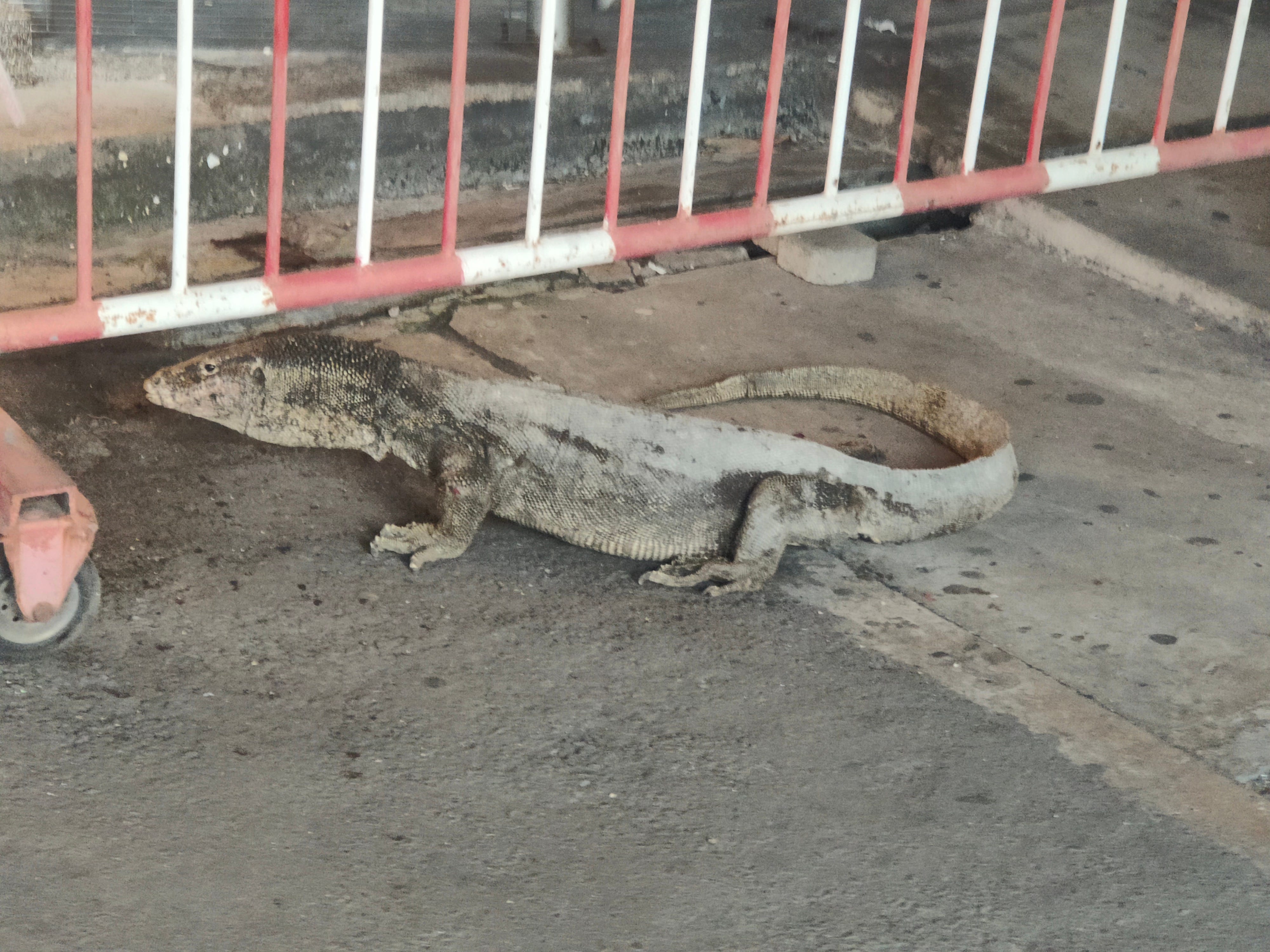
It’s bedlam at the ferry station - I have to queue for a while just to get to the area where they assemble passengers for the next sailing, meaning that one ferry leaves while I’m still in the queue. Eventually I get to Penang, passing a moster sized lixard on the way.
It’s at this point that I realise that I have made a terrible mistake. The plan had been to locate myself nearby, on or near Beach Road, to be in the centre of its café scene. I really don’t know how I did this, but my hotel is well over 2 km away, past KOMTAR.
It turns out to be a great area to stay - the PP Hotel is quite nice, there are many other hotels around and several foodcourts, as well as a host of restaurants. I’m just off Jalan Macalister, which apparently has a reputation as a food street. I make a beeline to BLACK, a nearby specialty coffee shop - it becomes my regular. They make an interesting drink where the syrup (cascara) is extracted from dried coffee cherry husks, to which they add citrus flavours.


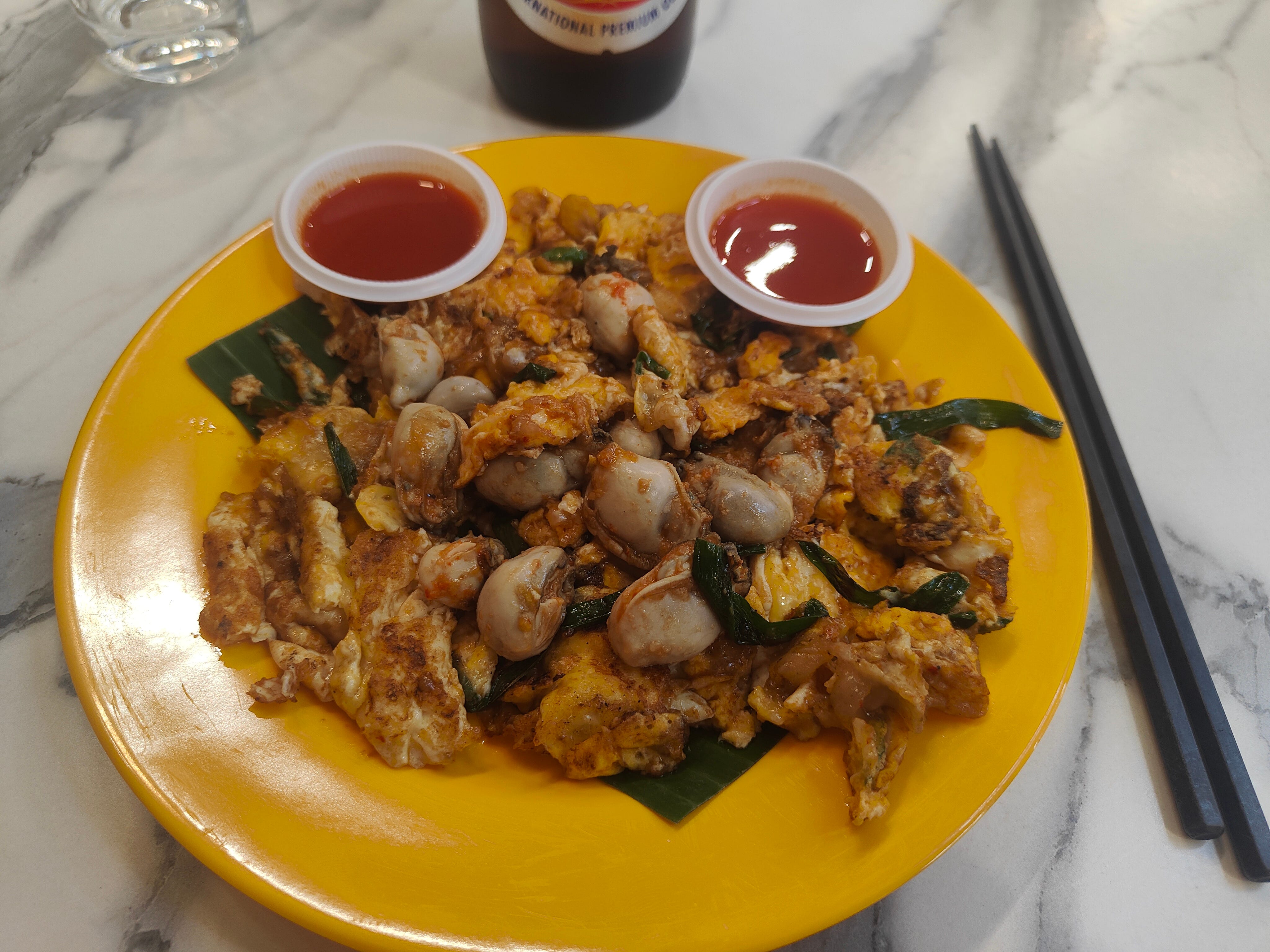
In the evening, I return to the nearby food court - remarkable for having a new, air-conditioned indoor area, behind the foodstalls - for a really good oyster omelette.
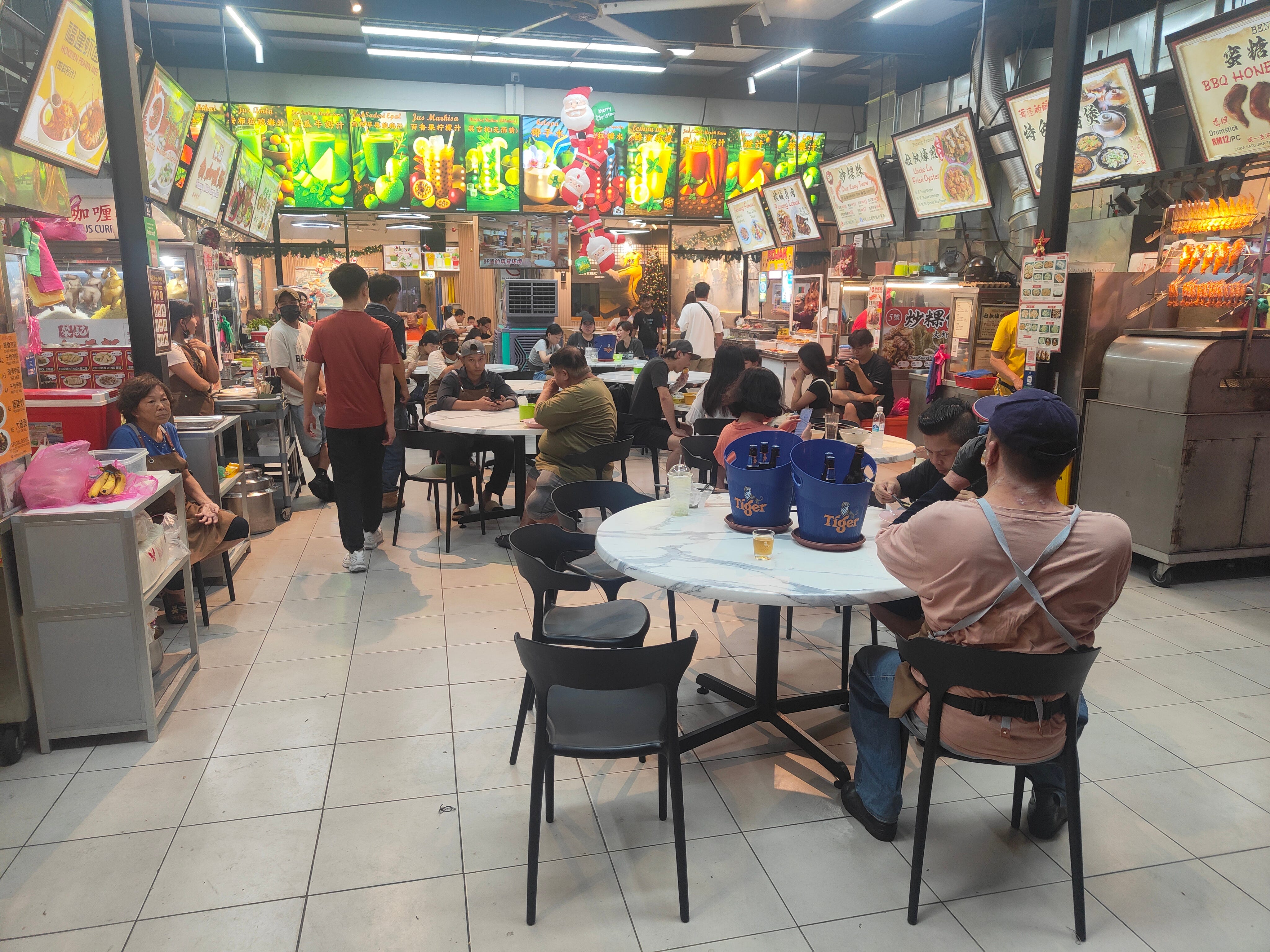
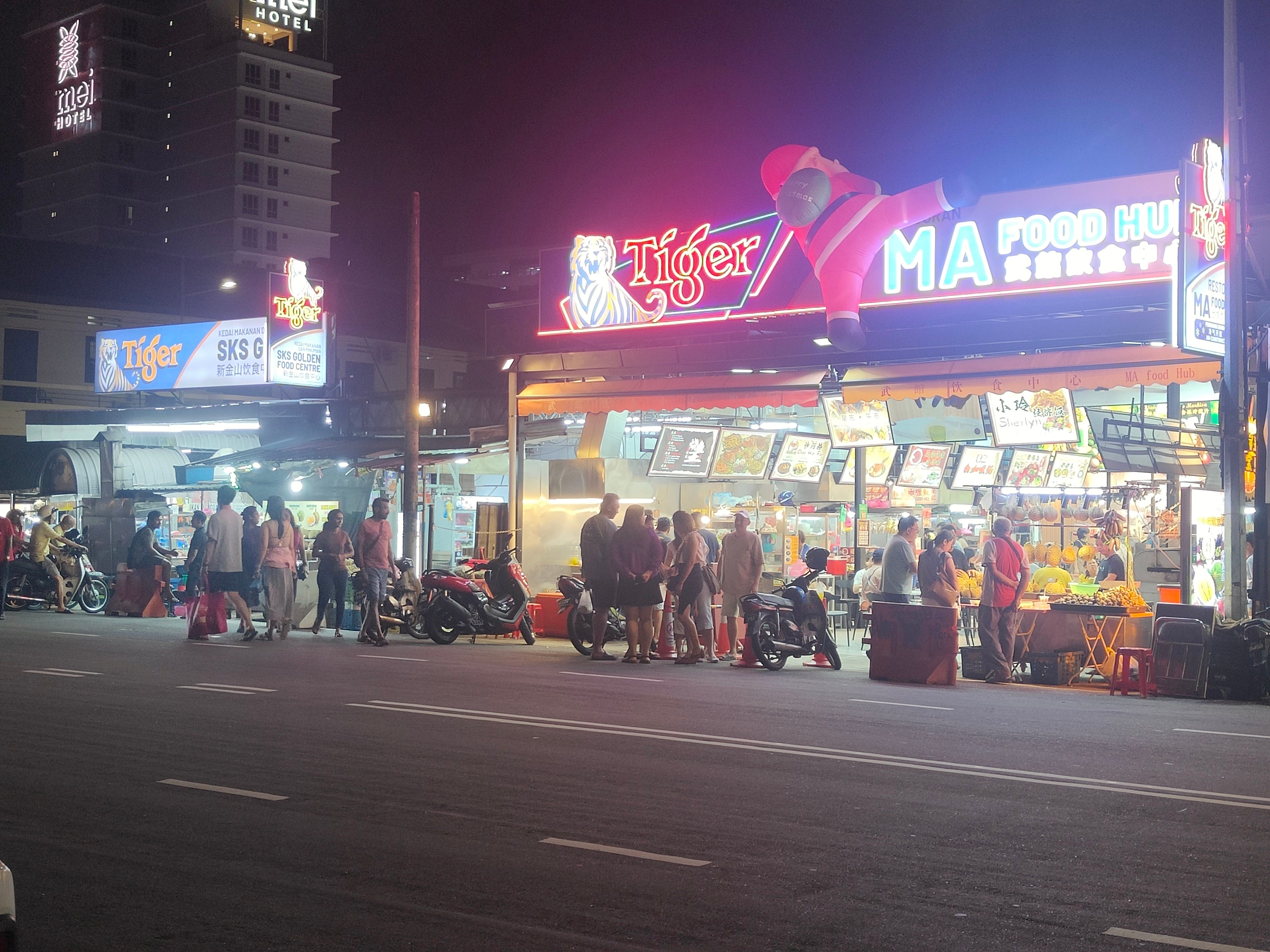
There’s the Sun Yat Sen memorial building across the street, and just down a bit, the Penang State Museum - which is closed for the day when I try to visit. Should have paid more attention to opening hours!


Cheers!
Fantastic shots in that video - though, some of the overgrown-vines images made me think of 'Annihilation' 😬 But, no, really, many of them were evocative - I could hear the cicadas!